Introduction
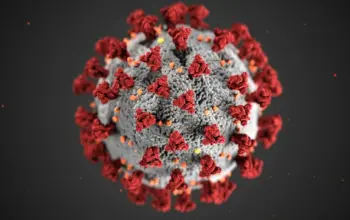
This year has seen a concerning rise in cases of the Nipah virus, a zoonotic virus known for its high mortality rate and potential for outbreaks. The World Health Organization (WHO) has classified it as a deadly pathogen that poses a significant threat to public health, particularly in regions where outbreaks have previously occurred. Understanding the implications of this outbreak is crucial for global health security.
Details of the Outbreak
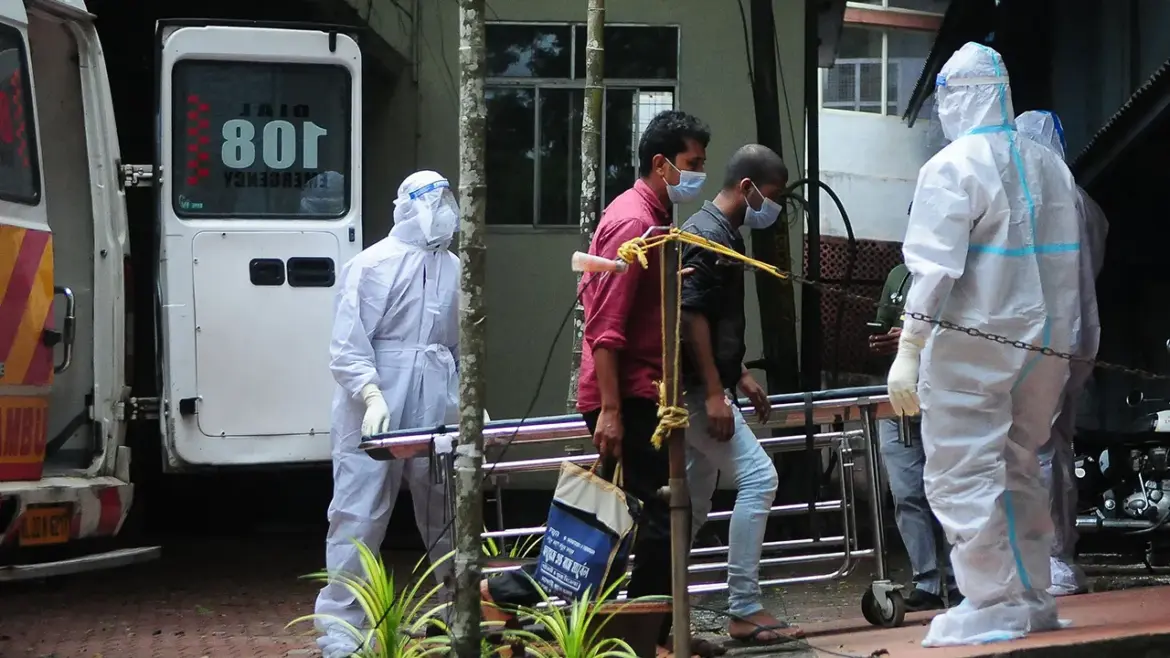
As of October 2023, several countries, particularly in South Asia, have reported new cases of the Nipah virus. The outbreak was first identified in Malaysia in 1998, and since then, it has been associated with severe illness in humans and high mortality rates, which can reach up to 75% in confirmed cases. The recent surge in incidents this year has raised alarms. In India, for instance, there have been confirmed cases in the states of Kerala and West Bengal, prompting local governments to implement immediate containment measures. Health authorities are focusing on contact tracing and educating the public on how to prevent transmission.
The virus is primarily transmitted through direct contact with infected bats, pigs, or humans, and can also be spread through contaminated food and water. Symptoms typically appear 5 to 14 days after exposure and can include fever, headache, dizziness, and mental confusion. Severe cases may lead to acute encephalitis and death.
Global Health Response
In response to the ongoing outbreak, WHO and health departments in affected regions have launched increased surveillance efforts and have distributed informative materials to raise awareness about the virus and preventive practices. The importance of early detection cannot be overstated as timely medical intervention can improve outcomes.
Countries are also urged to strengthen their healthcare systems and support research towards vaccines and therapeutic interventions against the Nipah virus. The need for robust biosecurity measures in areas where Nipah virus is prevalent is critical to preventing future outbreaks.
Conclusion
The Nipah virus outbreak of 2023 highlights a significant public health challenge that cannot be ignored. With increasing global connectivity and changing environmental conditions, the potential for zoonotic diseases to spill over into human populations is greater than ever. Authorities must act swiftly and decisively to manage this outbreak and prevent future occurrences. For citizens, understanding the risks and adhering to public health guidelines is essential in safeguarding personal and community health.