Introduction
The Sea Empress oil spill, which occurred in February 1996, is one of the most significant environmental disasters in the United Kingdom. Spilling approximately 72,000 tonnes of crude oil off the coast of Pembrokeshire, this incident highlighted the vulnerabilities of marine ecosystems and the consequences of maritime accidents. Understanding the implications of the Sea Empress oil spill is crucial as it informs current regulations and best practices in marine safety and environmental protection.
The Incident
On 15 February 1996, the Sea Empress, a large oil tanker, lost control due to a series of navigational errors while entering the Milford Haven Waterway. The vessel ran aground, causing extensive damage to its hull and releasing a large quantity of crude oil into the surrounding waters. Emergency responses were immediately mobilised, involving the deployment of booms, recovery vessels, and volunteers from local communities. Despite these efforts, the spill spread rapidly across the coast.
Environmental Impact
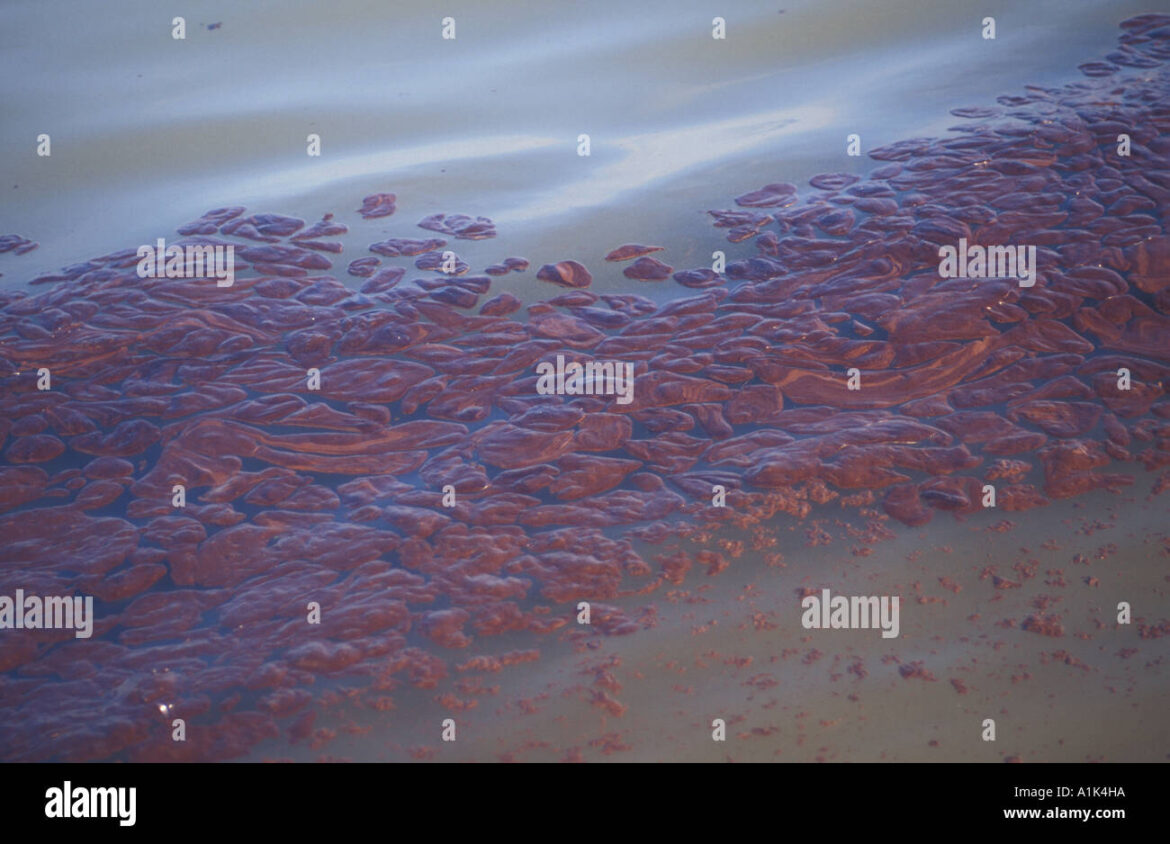
The ecological consequences of the Sea Empress oil spill were devastating. Over 300 kilometres of coastline were affected, significantly impacting wildlife and habitats along the Pembrokeshire coast. Thousands of seabirds, marine mammals, and other marine organisms suffered due to the toxic effects of the oil. The spill also disrupted local fishing industries and tourism, showcasing the broad economic repercussions stemming from environmental disasters.
Lessons Learned
The aftermath of the Sea Empress spill spurred discussions regarding maritime safety regulations. In response to the incident, the UK government introduced stringent measures aimed at improving the safety of oil transportation and spill response capabilities. Additionally, the Environmental Agency and various conservation groups collaborated to restore the affected ecosystems and mitigate long-term damage.
Conclusion
While the Sea Empress oil spill serves as a stark reminder of the potential dangers associated with maritime activities, it also catalysed significant reforms in environmental policy and ship safety regulations. Studies and historical analyses continue to assess the long-term effects of the spill on marine life and habitats. As the climate crisis poses new challenges, the lessons learned from the Sea Empress incident remain relevant today, emphasising the importance of vigilance in maritime safety and environmental stewardship.