Introduction
Chinese New Year, also known as Lunar New Year or Spring Festival, is one of the most important holidays in China and among Chinese communities worldwide. This celebration marks the beginning of the lunar calendar, which in 2024 falls on February 10th, ushering in the Year of the Dragon. It’s a time steeped in traditions, cultural significance, and communal spirit, reflecting hopes for prosperity, health, and happiness.
The History and Significance
The origins of Chinese New Year date back over 4,000 years. Its legend often revolves around the mythical creature Nian, which is said to bring disaster and misfortune to villages. To ward off Nian, villagers would create loud noises and displays of red decorations, giving rise to traditions of fireworks and red envelopes filled with money. Today, the festival is celebrated engagingly, honouring ancestors and reuniting families.
Modern Celebrations
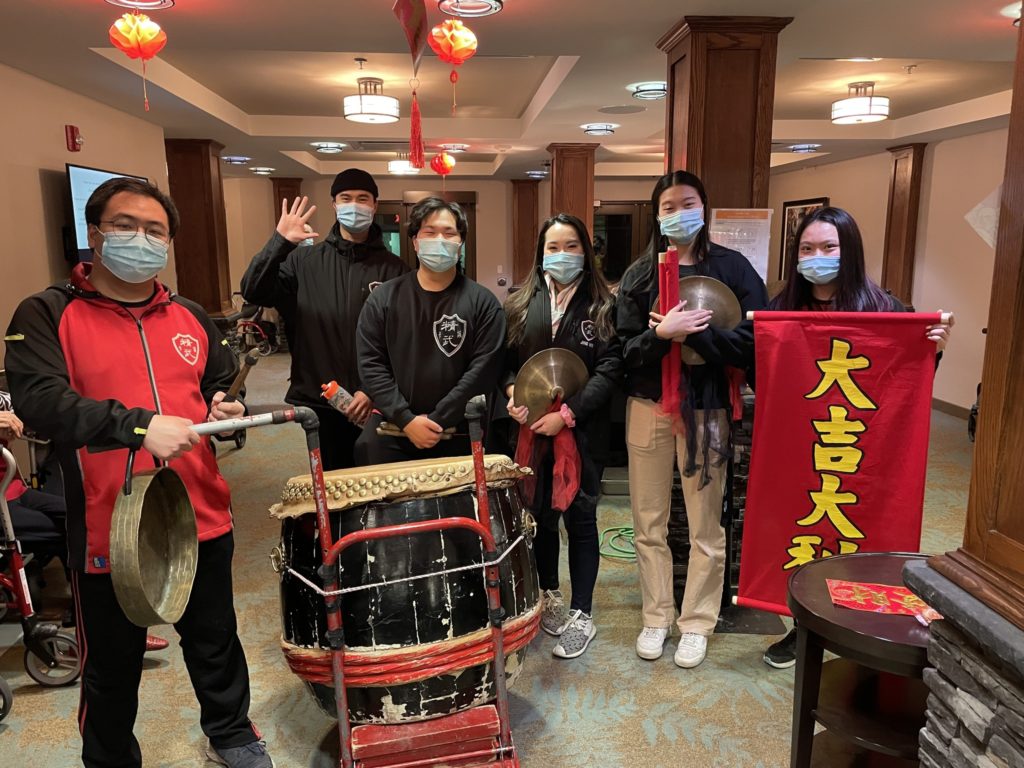
In 2024, celebrations will take place across the globe, with significant events planned in major cities such as London, Sydney, and San Francisco. Chinese communities will host parades featuring vibrant dragon and lion dances, traditional music, and elaborate costumes. Food plays a central role, with families preparing traditional dishes that symbolize wealth and good fortune, such as dumplings and fish.
Global Observance
Chinese New Year has transcended its geographical origins, with millions of non-Chinese individuals also participating in celebrations. Countries like Malaysia, Singapore, and Indonesia hold public festivities, while cities with sizeable Chinese populations will light up with decorations, firecracker displays, and community feasts. This cultural diffusion has contributed to the event being recognised by UNESCO as an intangible cultural heritage.
Conclusion
The upcoming Year of the Dragon offers an opportunity for reflection on the past year and aspirations for renewal and good fortune. As families gather to embrace traditions, and communities come alive with festivities, Chinese New Year remains a beautiful encapsulation of cultural identity and unity. With increasing global recognition, the significance of this festival will likely continue to expand, fostering greater understanding and appreciation of Chinese culture.