Introduction
Art has been an integral part of human culture for centuries, serving as a medium for expression, communication, and connection. In today’s rapidly changing world, the importance of art remains as relevant as ever, influencing everything from political discourse to personal identity. As we navigate the complexities of modern life, understanding the impact of art can enrich our society and foster deeper connections among individuals.
The Evolution of Artistic Expression
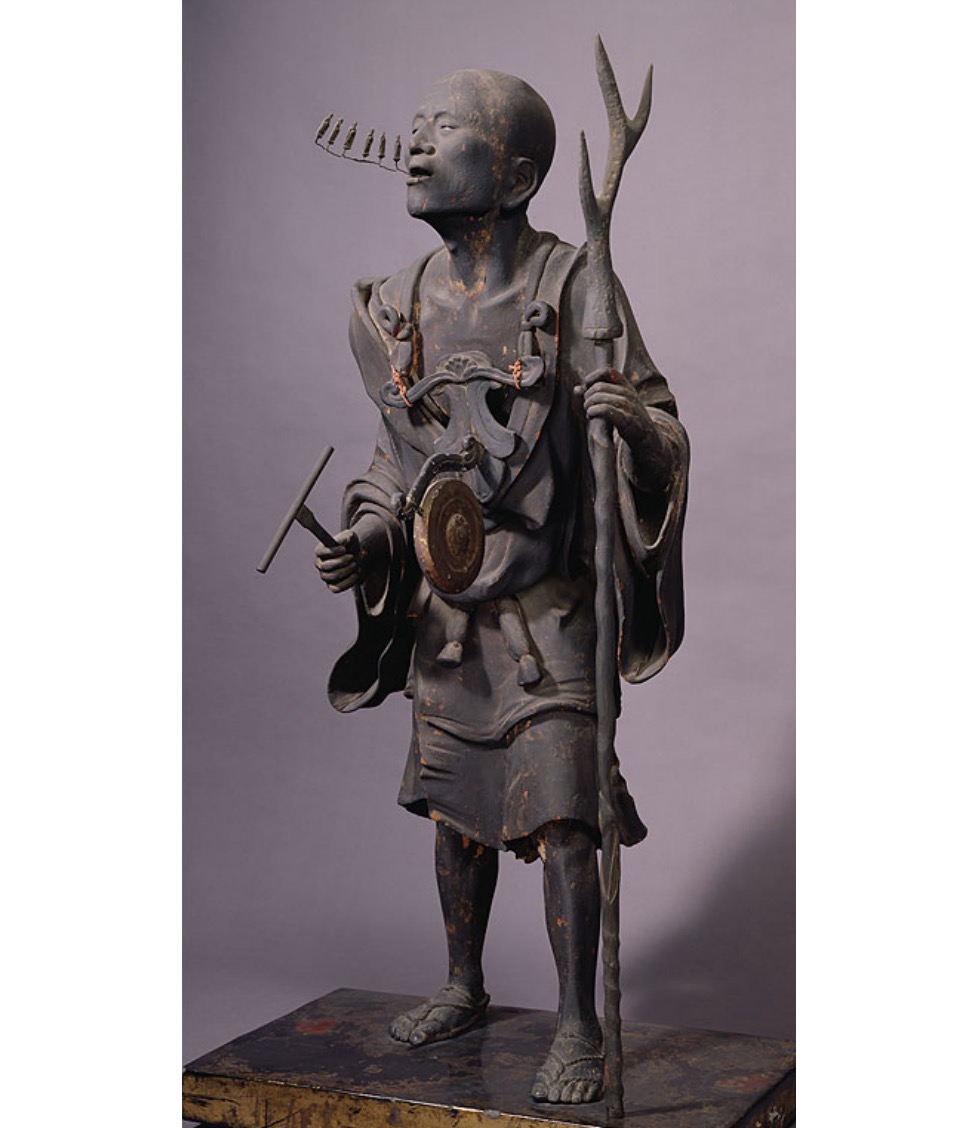
In recent years, art has undergone significant transformations, influenced by technology and social change. Digital art forms, including virtual reality and interactive installations, have emerged, offering new avenues for creators to explore. Furthermore, traditional art mediums such as painting and sculpture are being redefined as artists incorporate contemporary themes addressing climate change, social justice, and mental health awareness. This evolution reflects a broader societal shift, where art is increasingly seen as a tool for advocacy and change.
Art in Public Spaces
Moreover, public art installations are becoming more prevalent, with cities around the globe recognising the importance of accessible art in fostering community engagement. Recent projects, such as the ‘Black Lives Matter’ murals in numerous cities and the extensive street art in places like Bristol and Berlin, encourage dialogue around important issues while beautifying urban environments. Such initiatives not only raise awareness but also empower communities, inviting individuals to become part of the artistic process.
Art and Mental Health
The connection between art and mental health has also gained traction, particularly during the COVID-19 pandemic when many turned to creative practices as a form of coping. Art therapy has emerged as a powerful tool in mental health treatment, helping individuals express their emotions and experiences in a constructive manner. Studies indicate that engaging with art can improve overall well-being, making it an essential facet of healthy communities.
Conclusion
The significance of art in society extends far beyond mere aesthetics; it plays a critical role in shaping culture, communication, and community. As we look ahead, the ongoing evolution of artistic expression will likely continue to influence our understanding of the world. Recognising and supporting the arts can enrich our lives, promote social change, and foster a sense of connection in an increasingly fragmented society. Embracing and participating in the arts is crucial for nurturing a culture that values creativity and community engagement.