Introduction
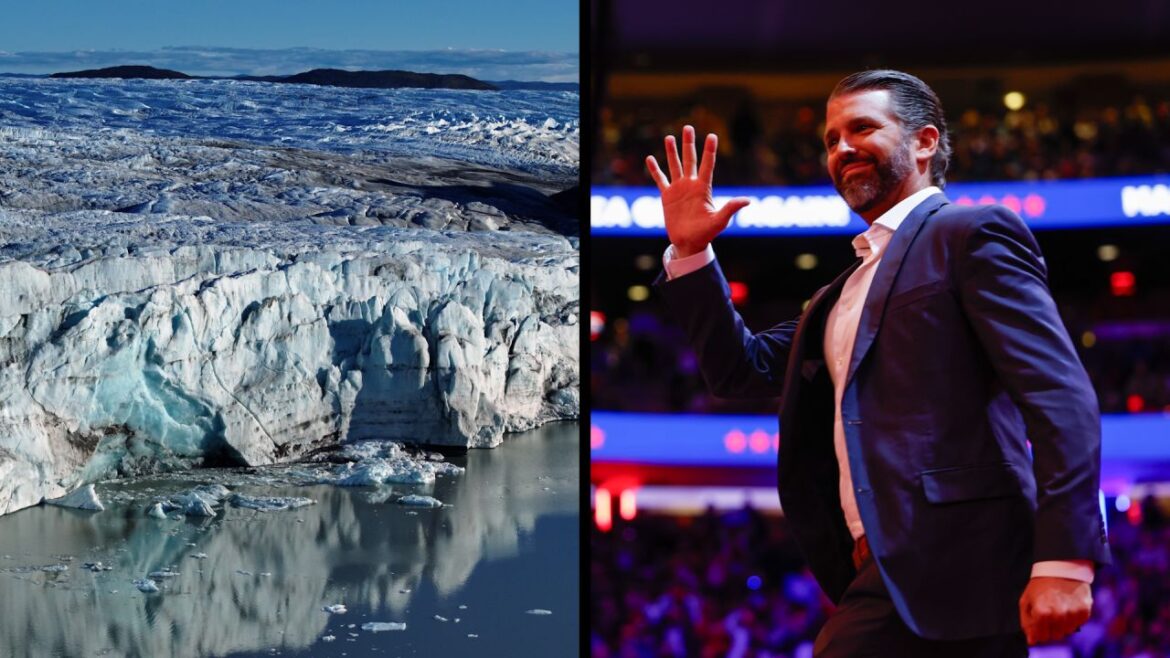
In recent years, the notion of Donald Trump’s interest in purchasing Greenland has resurfaced, sparking discussions about geopolitical strategies and territorial expansion. This controversial topic underscores not only the Trump administration’s foreign policy initiatives but also the significance of Greenland’s resources and strategic location in the Arctic region.
The Controversy Unfolds
In 2019, then-President Donald Trump made headlines when he expressed interest in buying Greenland, an autonomous territory of Denmark. This unexpected announcement was met with swift backlash from the Danish government, which categorically rejected the proposal, dismissing it as an absurdity. Denmark’s Prime Minister, Mette Frederiksen, even described the idea as “not on the table” and reiterated the country’s attachment to the territory.
Despite the dismissal, Trump’s fascination with Greenland is rooted in its vast natural resources, including rare earth minerals, and its geographical significance, providing easy access to Arctic shipping routes that may become even more important due to climate change. Additionally, the shift in focus towards the Arctic as a strategic military area draws attention to the potential benefits of control over Greenland.
Current Developments
As geopolitical competition intensifies, particularly with countries like China and Russia showing increased interest in the Arctic, Trump’s previous comments regarding Greenland have yet to lose relevance. A recent report by the U.S. Geological Survey highlighted that the Arctic’s subsurface holds a treasure trove of resources that could become pivotal in the upcoming decades.
Moreover, as the Biden administration reevaluates U.S. foreign policy, engagement with Greenland has continued. The U.S. signed a historic agreement with Denmark to improve cooperation on various fronts, including pandemic preparedness and climate change initiatives. Such collaborations suggest a broader interest in the Arctic that transcends past discussions about purchasing territory.
Conclusion
While Donald Trump’s proposal to buy Greenland was met with ridicule and rejection, the subject matter warrants deeper examination. The ongoing interest in the Arctic underscores the region’s strategic importance amid shifting global dynamics and climate change considerations. As international relations evolve, Greenland’s role as a potential hub for resources and military positioning will likely remain a prominent topic. This history serves as a reminder that territorial interest can be more than a joke; it can signify burgeoning geopolitical realities.