The Significance of Petrol Prices
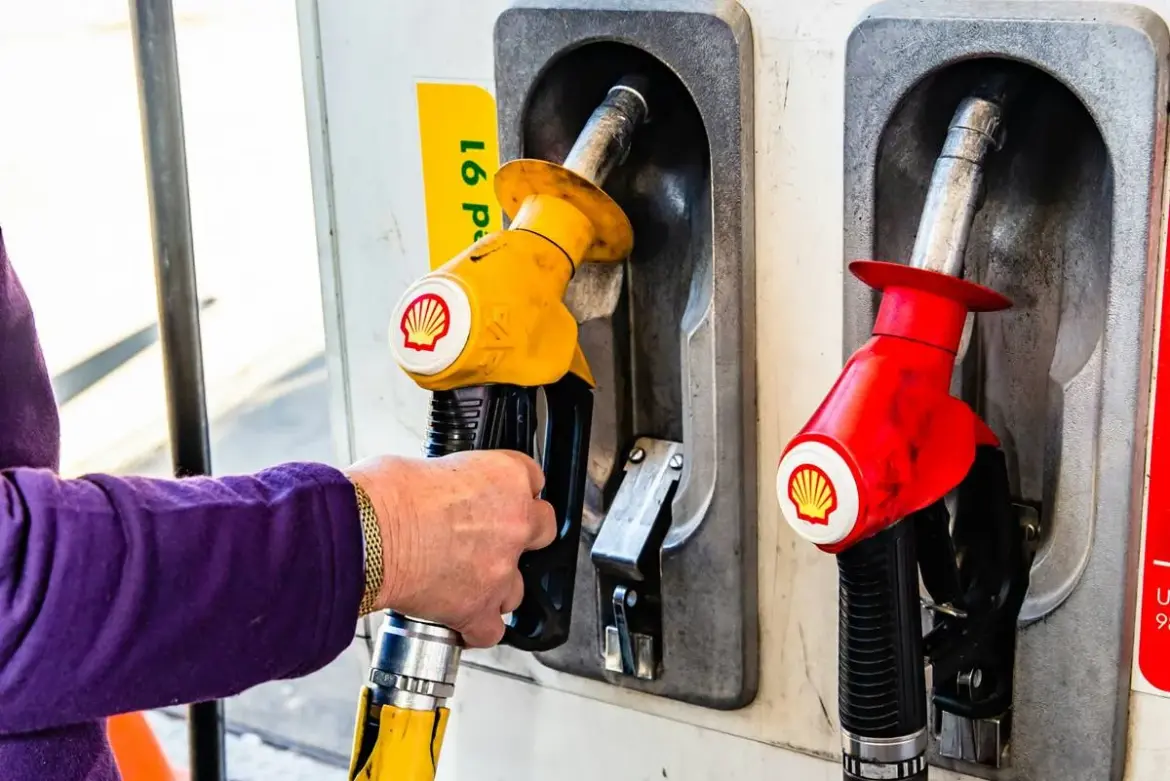
Petrol prices are more than just a number at the pump; they reflect the complex interplay of global oil markets, supply chains, and geopolitical developments. Recently, changes in petrol prices have had significant implications for consumers, businesses, and the economy as a whole. With energy costs rising, understanding the factors affecting petrol prices has never been more critical.
Current Trends in Petrol Prices
As of October 2023, the average petrol price in the UK has increased to approximately £1.73 per litre, a significant rise from £1.56 per litre recorded earlier in the year. This upward trend has been driven by several factors, including disruptions to oil supply due to geopolitical tensions and increased global demand as economies continue to recover from the pandemic.
One key factor influencing the current spike is the decision of the Organization of the Petroleum Exporting Countries (OPEC) to cut production, aiming to stabilise or increase crude oil prices. This decision, combined with an increase in travel following eased restrictions, has led to heightened pressure on petrol prices across the UK.
Factors Contributing to Rising Costs
Several interconnected factors contribute to the rising costs of petrol:
- Global Oil Market Volatility: Global events, such as conflicts in oil-producing regions, can disrupt supply chains and lead to price increases.
- Demand Recovery: Increased travel and transportation needs as economies reopen contribute to heightened demand for fuel.
- Inflationary Pressures: Broader inflation impacts the entire supply chain, from crude oil extraction to distribution and sale.
Consequences for Consumers and Businesses
The rising petrol prices affect not only consumers at the pump but also businesses reliant on transportation. Higher transportation costs can lead to increased prices for goods and services, posing a challenge for households and impacting inflation. The rise in petrol prices has prompted calls for government intervention, including a temporary reduction in fuel duty to alleviate some of the financial burdens on consumers.
Looking Forward
Analysts predict that petrol prices may remain elevated in the coming months as seasonal demand typically spikes during the holidays. However, any potential easing in geopolitical tensions or changes in OPEC’s production strategy could shift the dynamics again.
In conclusion, petrol prices serve as a crucial indicator of economic health and consumer sentiment. Staying informed about trends in petrol pricing can help consumers make better decisions and prepare for the possible financial impacts ahead.