Introduction
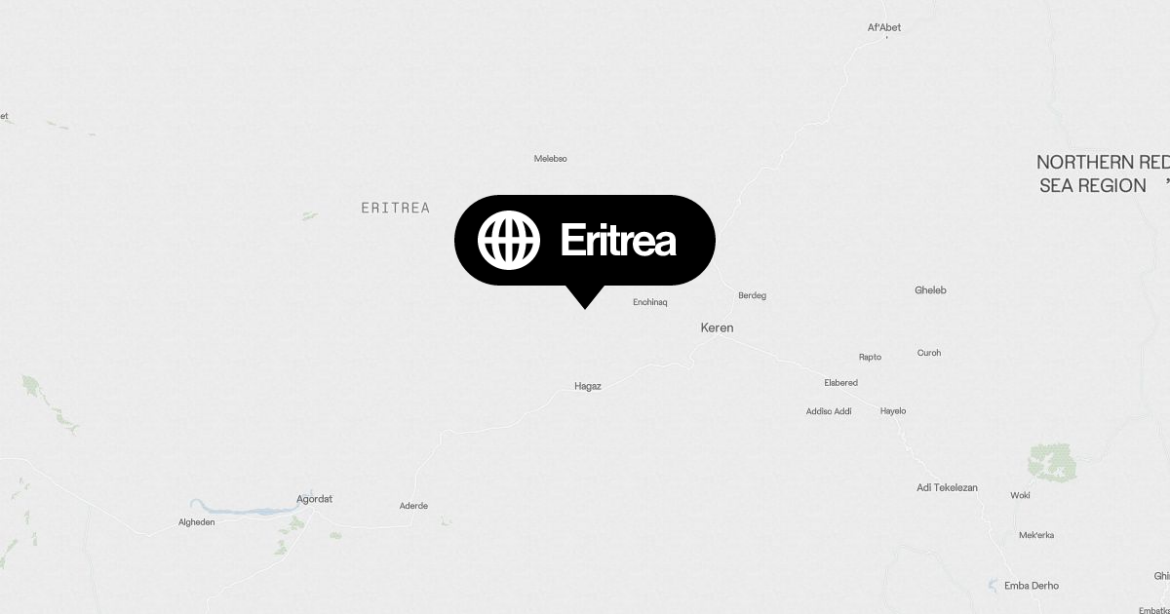
Eritrea, a small nation located in the Horn of Africa, is gaining increased attention due to its complex political landscape and humanitarian issues. Following its independence from Ethiopia in 1993, Eritrea has faced numerous challenges, including a long-standing border conflict, human rights concerns, and economic struggles. Currently, Eritrea’s geopolitical significance is heightened by its location and relationships with other nations, making it a topic of interest for analysts, policymakers, and humanitarian organisations.
Recent Events
As of 2023, Eritrea continues to grapple with significant domestic and international challenges. The country has been under a one-party rule led by President Isaias Afwerki since independence. Recent reports from international human rights organisations, such as Amnesty International, have highlighted ongoing human rights abuses within the country, including arbitrary detentions, indefinite national service, and the repression of freedom of expression.
Furthermore, the situation has been exacerbated by the ongoing conflict in neighbouring Tigray, Ethiopia. Eritrean military forces have been implicated in the Tigray conflict, which has drawn international condemnation and led to further isolation from the global community. Despite this, Eritrea is currently focusing on improving its diplomatic relations with Ethiopia, following the signing of a peace agreement in 2018, signaling a potential shift in its foreign policy that could impact regional stability.
Economic State
Eritrea’s economy remains fragile, heavily reliant on agriculture, remittances from the diaspora, and limited mining activities. The country has struggled with food insecurity that affects approximately 60% of its population, and exacerbated by climatic changes and the impacts of COVID-19. The government has been investing in infrastructure development, primarily in the mining sector, which could develop new opportunities for revenue; however, transparency and governance remain significant concerns.
Conclusion
The situation in Eritrea is critical, requiring attention from international communities and human rights advocates. The ongoing human rights issues, potential diplomatic changes, and economic challenges paint a complex picture for the future. As Eritrea navigates its path forward, the prospects of improving democracy and economic stability will not only influence the nation itself but could also have wider implications for the Horn of Africa region. Continued observation and engagement from global entities are imperative to support lasting peace and development in Eritrea.