Introduction
First cousin marriage has been a subject of discussion across various cultures, with deep historical roots and implications in modern society. While some communities embrace it as a tradition, others raise concerns regarding genetic health risks and social stigma. In this article, we will explore the current trends, legal frameworks, and social perceptions regarding first cousin marriage, highlighting its relevance in ongoing societal conversations.
Current Trends
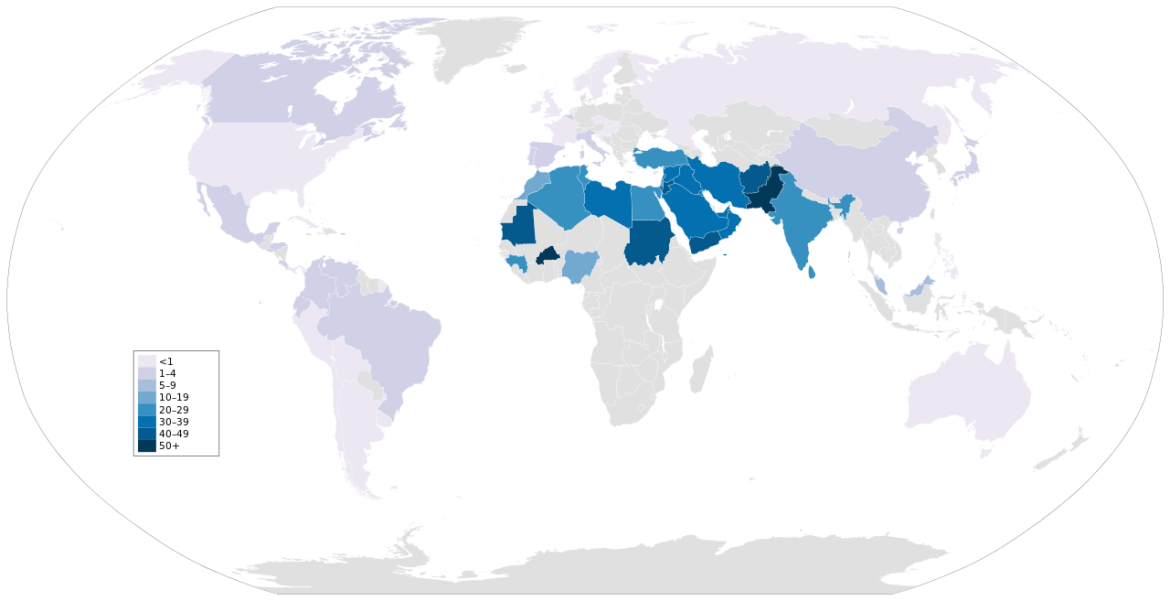
Recent data indicates that first cousin marriage remains prevalent in many parts of the world, especially in South Asia, the Middle East, and North Africa. According to a report by the World Health Organization, about 10% of marriages in these regions are between first cousins. This practice is often encouraged to strengthen family ties and retain wealth within familial circles. Sociologists note that such unions can be a means to preserve cultural identity and enhance social cohesion.
Legal Perspectives
The legality of first cousin marriage varies significantly across different countries. In the United Kingdom, first cousins are legally allowed to marry, reflecting a more liberal stance towards familial unions compared to nations like the United States, where some states impose restrictions. The UK government, however, continues to provide public health education about the potential genetic risks associated with closely related couples, stressing the importance of genetic counselling for those considering such marriages.
Health Considerations
One of the key concerns related to first cousin marriage is the increased risk of genetic disorders in offspring. Research shows that children born to first cousins face elevated risks of conditions like hemophilia, cystic fibrosis, and certain congenital disabilities due to shared genetic material. As a result, healthcare providers recommend genetic testing and counselling to mitigate these risks when first cousins decide to marry and start a family.
Social and Cultural Impacts
Despite the concerns, in many cultures, first cousin marriages are accepted and even encouraged. Family members often play a pivotal role in facilitating such unions, viewing them as a way to enhance familial bonds. In contrast, in societies where this practice is frowned upon, individuals may face social ostracism or familial pressure to conform to mainstream marital practices. The differences in social acceptance highlight a broader conversation regarding cultural normativity and individual choice.
Conclusion
As societies continue to evolve, the conversation surrounding first cousin marriage remains significant. Understanding the implications—be they legal, health-related, or cultural—is crucial for individuals and communities engaged in or contemplating such unions. With ongoing debates about genetic health and social acceptance, the relevance of first cousin marriage will likely persist, necessitating a nuanced approach that balances tradition, health education, and personal choice.