Introduction to Kurdistan
Kurdistan is a geo-cultural region located in the Middle East, primarily spanning parts of northern Iraq, southeastern Turkey, western Iran, and northern Syria. The significance of Kurdistan lies not only in its rich cultural heritage but also in its historical struggle for autonomy and recognition within the framework of nation-states. As global interest in the region grows, understanding the dynamics of Kurdistan has become increasingly relevant.
Historical Context
The Kurdish people have a long-standing history, with records dating back to ancient times. For decades, they have sought greater autonomy, especially in the aftermath of World War I when the Treaty of Sèvres proposed a Kurdish state that never materialised. The complexities of Kurdish identity, language, and culture have often been overlooked, leading to a sense of disenfranchisement amongst the Kurdish populace.
Recent Developments
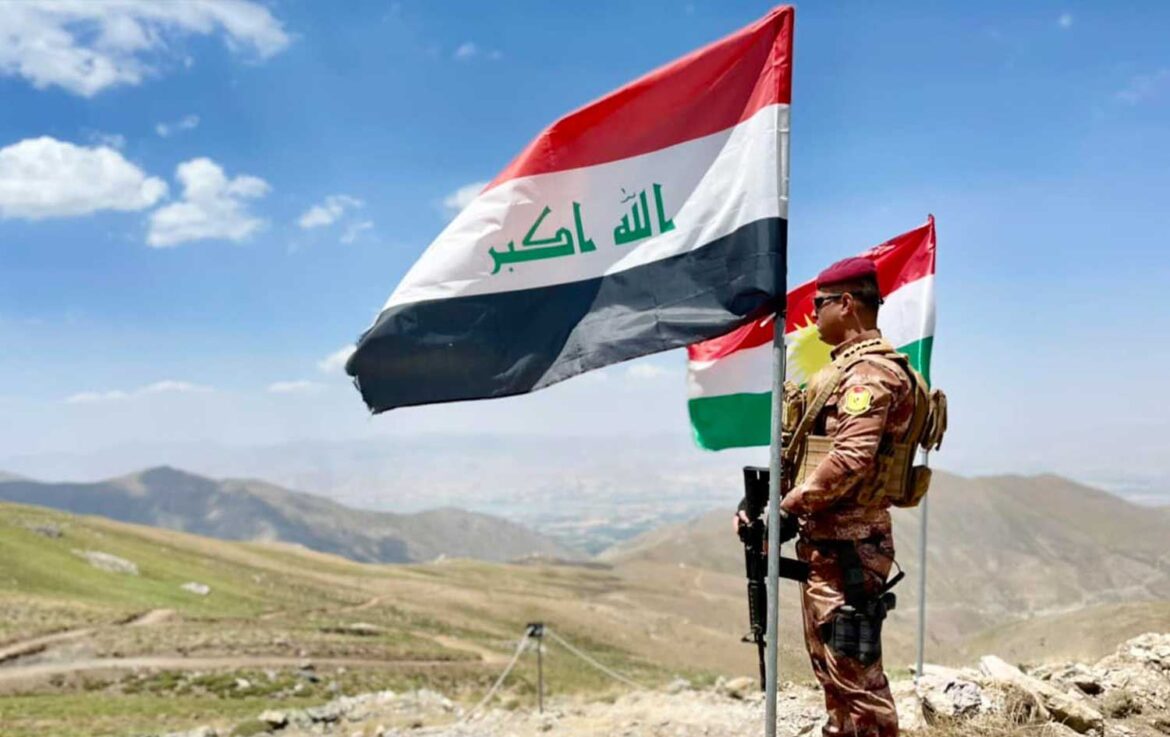
In recent years, Kurdistan has gained international attention due to the political unrest in the Middle East, particularly the rise of ISIS and subsequent military campaigns, which have allowed the Kurdistan Regional Government (KRG) in Iraq to further assert its authority. The KRG has developed a semi-autonomous government structure, leveraging oil resources and seeking diplomatic recognition. However, this growth in autonomy has also led to tensions with the Iraqi central government, as well as ongoing disputes with Turkey and Iran regarding Kurdish independence movements.
Economic Importance
Kurdistan is rich in natural resources, particularly oil and gas, making it a pivotal player in regional energy politics. The KRG has sought to establish itself as a key energy supplier, attracting foreign investment and partnerships. The economic developments in the region are crucial for the future stability and prosperity of the Kurdish people, ensuring they can have a viable and independent economy.
Conclusion: The Future of Kurdistan
The significance of Kurdistan extends beyond its geographical boundaries. The quest for self-determination and recognition continues to be at the forefront of Kurdish aspirations, with implications for regional stability and international relations. As the dynamics of the Middle East evolve, the Kurdish cause remains vital. Continued global interest in democratic movements, human rights, and cultural identity will likely shape the future trajectory of Kurdistan as it navigates its path toward achieving autonomy and greater recognition on the world stage.