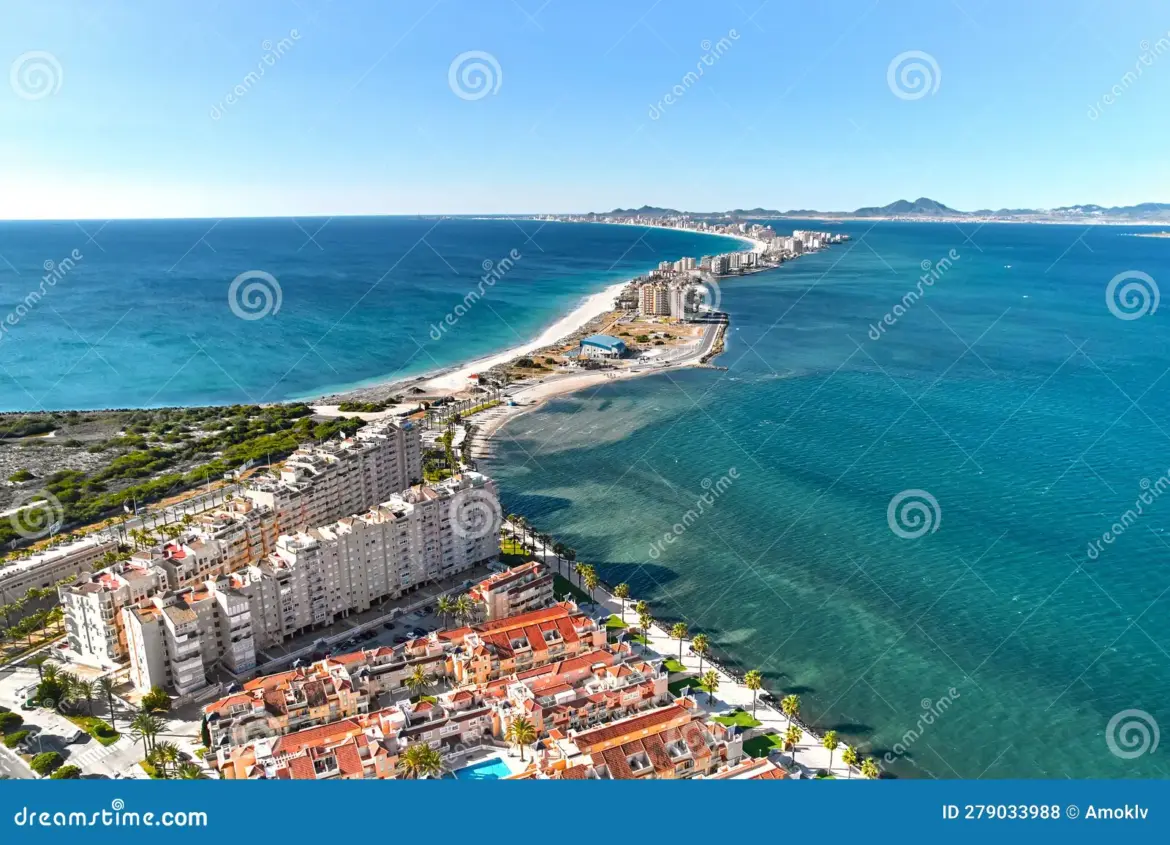
Introduction to Mar Menor
Mar Menor, located in the Region of Murcia, Spain, is the largest saltwater lagoon in Europe and a designated Special Protection Area for the Birds. This unique aquatic ecosystem is not only important for its natural beauty and biodiversity but also serves as a vital economic resource for the local communities through tourism and fishing. In recent years, however, Mar Menor has faced significant environmental challenges, prompting widespread concern and action to preserve its delicate ecosystem.
Environmental Challenges
Mar Menor has been suffering from pollution and overexploitation stemming from agricultural runoff, urbanisation, and tourism-related pressures. The introduction of excess nutrients has led to algal blooms, which diminish water quality and harm marine life. Reports indicate that the lagoon has lost a significant amount of its seagrass beds over the last decades, critically essential for maintaining ecological balance. The situation was aggravated in 2016 when heavy rains washed fertilizers from farming into the lagoon, resulting in massive fish die-offs and threatening the entire ecosystem.
Recent Developments and Conservation Efforts
In response to the dire state of Mar Menor, the Spanish government and regional authorities in Murcia have initiated various conservation measures. In 2021, a new law aimed at protecting the lagoon was passed, which prohibits certain agricultural practices that negatively impact water quality. Additionally, NGOs and scientists are conducting studies to better understand the ecosystem’s health and are advocating for sustainable practices, including improved waste management and reducing water pollution.
Community Involvement
Local communities play a crucial role in the preservation of Mar Menor. Awareness campaigns have been launched to educate residents and tourists about the ecological importance of the lagoon and the actions they can take to minimise their impact. Community-led initiatives focus on restoring natural habitats, cleaning up shorelines, and monitoring water quality to help ensure the lagoon’s health for future generations.
Conclusion
The future of Mar Menor remains uncertain, but collaborative efforts from governments, NGOs, and local communities offer a glimmer of hope. As awareness of the ecological significance of this unique lagoon grows, so does the urgency to take action in preserving it. The ongoing situation serves as a reminder of the delicate balance between human activity and environmental stewardship, highlighting the pressing need for sustainable practices in both agriculture and tourism.