Introduction
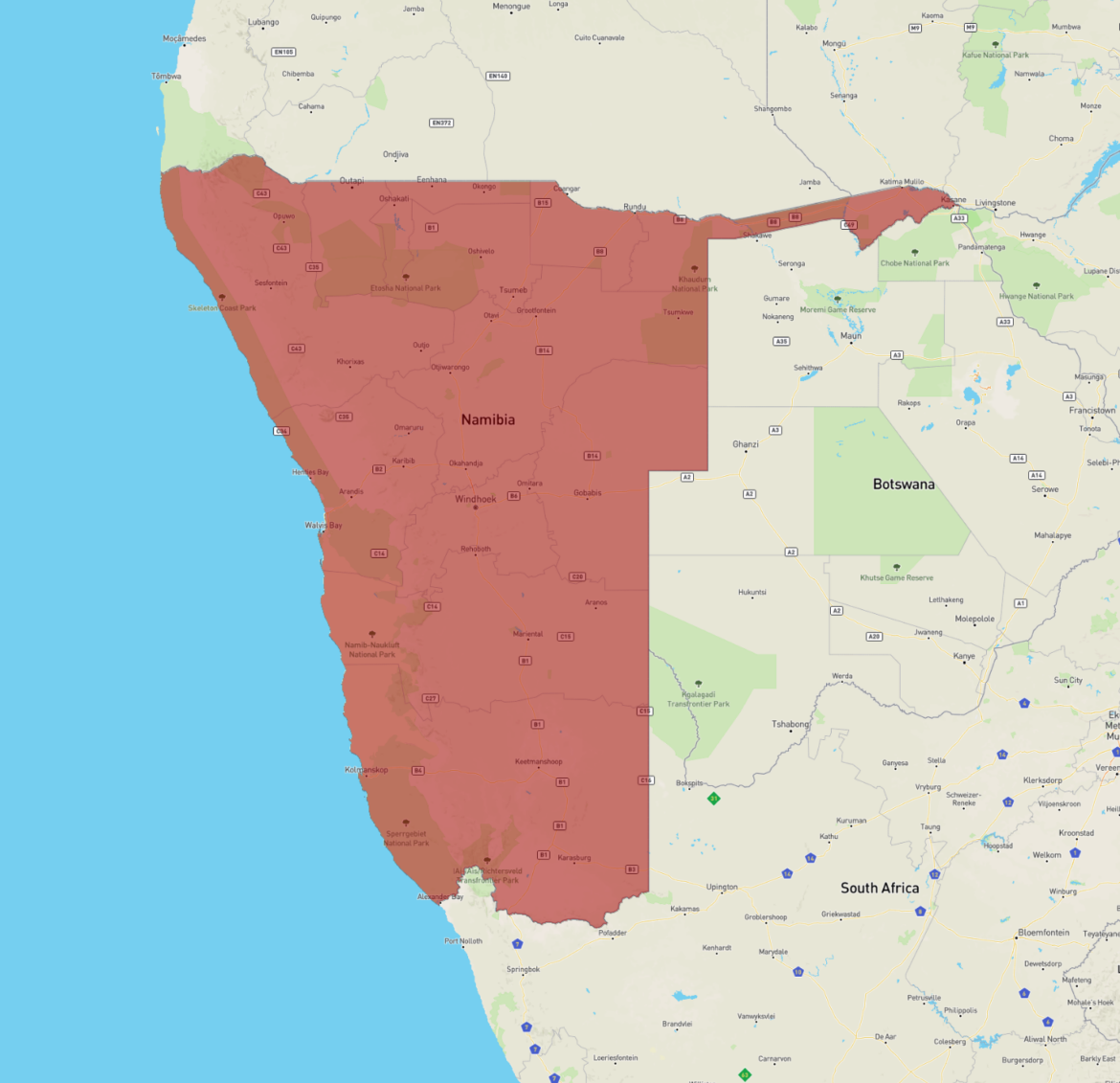
Namibia, located in the southwestern region of Africa, is a country renowned for its stunning landscapes, rich cultural heritage, and diverse wildlife. Known for its dramatic desert landscapes, including the Namib Desert, which is home to some of the world’s highest sand dunes, Namibia draws attention from tourists and nature enthusiasts alike. Moreover, the country’s unique history and blend of cultures make it an important focal point in African studies and tourism.
Geography and Wildlife
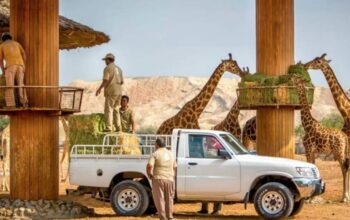
Namibia’s geography is varied, from the arid Namib Desert to the lush Caprivi Strip. The country is home to several national parks, including Etosha National Park, which offers one of Africa’s best game viewing experiences. In 2023, Etosha has seen a resurgence in wildlife sightings, with large herds of elephants and rhinos roaming the park, attracting both local and international tourists. The unique biodiversity of Namibia makes it a conservation hotspot and underlines the importance of sustainable tourism practices.
Cultural Heritage
Namibia is home to large ethnic groups, each with its own traditions and languages. The Ovambo, Herero, and Himba peoples represent just a few of the vibrant cultures present in the country. In recent events, there has been a significant push towards celebrating Namibian culture, exemplified by the ongoing cultural festivals that showcase traditional music, dance, and arts. These events play a vital role in preserving cultural heritage while promoting tourism.
Economic Developments
The economy of Namibia heavily relies on mining, agriculture, and tourism. In 2023, tourism has shown a strong recovery following the impacts of the COVID-19 pandemic. An increasing number of international flights and travel packages are now available, making the country more accessible than ever before. The government’s commitment to promoting tourism, while also ensuring the protection of natural resources, is paving the way for a balanced economic future.
Conclusion
Namibia stands as a testament to the beauty and diversity of Africa. With its stunning natural landscapes, rich cultural tapestry, and growing economy, the country offers a unique experience for both locals and tourists. As Namibia continues to promote its natural and cultural riches, it is likely to attract more visitors, fostering an appreciation for its unique heritage and contributing to sustainable economic growth. With a focus on conservation and cultural preservation, Namibia is on the path to becoming one of Africa’s premier travel destinations.