Introduction
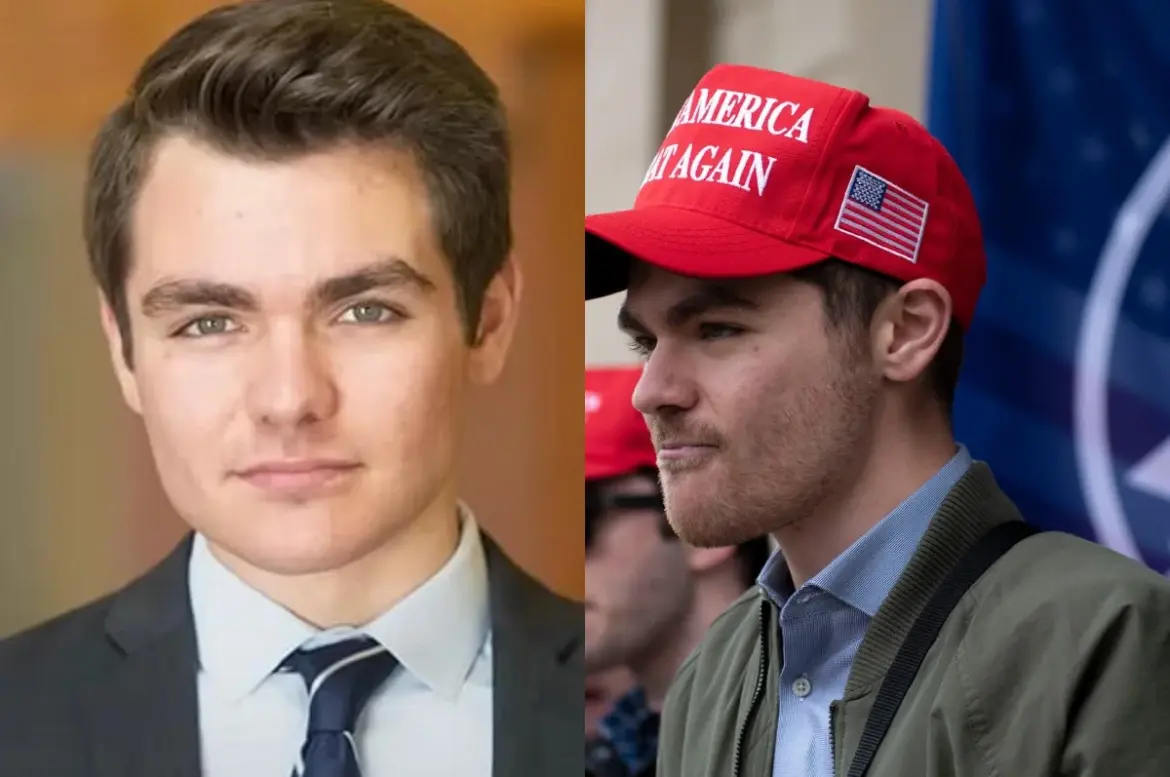
Nick Fuentes, a controversial political commentator and live-streaming personality, has become a significant figure in far-right youth politics. His rise to prominence has sparked discussions about extremism, free speech, and the future of political discourse in the United States. As an outspoken critic of mainstream conservatism, Fuentes embodies the complexities of modern political movements and their implications for society.
Background and Rise to Fame
Born on August 18, 1998, Fuentes first gained attention as a high school student through his YouTube channel. He built a following with content that resonated with young conservatives, showcasing a style that mixed humour with a provocative approach to various social and political issues. However, it was his participation in the 2017 Charlottesville rally that accelerated his notoriety, marking him as a figure of interest within nationalist and alt-right circles.
Controversies Surrounding Fuentes
Fuentes has been notorious for his controversial statements on race, immigration, and democracy. His views often align with white nationalist ideologies, and he has been accused of spreading antisemitism and xenophobia. Social media platforms have responded to his rhetoric by banning him, which only has intensified discussions about free speech in the digital age. In addition, Fuentes has expressed admiration for strongman politics, drawing parallels with figures like Vladimir Putin.
Recent Developments
In 2023, Fuentes continued to make headlines, particularly during and after appearances at various political events. His participation in the ‘America First’ movement has gained traction among younger conservatives, while simultaneously drawing criticism from more traditional Republican figures who have sought to distance themselves from extremist elements within their ranks. Incidents involving his supporters during events have raised alarms about the potential for violence and the spread of extremist ideologies.
Conclusion
As he remains a polarising figure within both conservative and broader political realms, Nick Fuentes serves as a case study of the changing dynamics in politics, particularly how fringe beliefs can gain mainstream traction among the youth. The significance of his influence extends beyond his personal ideology; it poses essential questions about the future of political dialogue and the role of social media in shaping public opinion. Beobservers must critically engage with these developments, not only for what they reveal about contemporary political culture but also for how they may shape societal norms in the years to come.