Introduction to Phishing
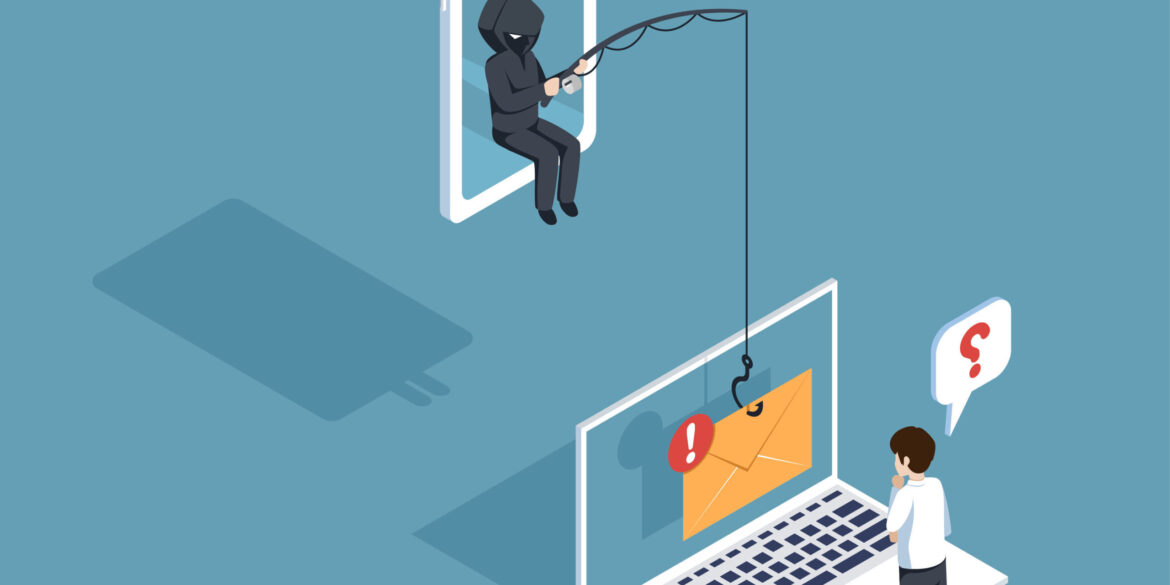
Phishing is a form of cybercrime that involves tricking individuals into providing sensitive information such as usernames, passwords, and credit card details. It is a significant threat in today’s digital landscape, affecting millions worldwide. Understanding what phishing is and how to recognise it is crucial for both individuals and businesses to protect themselves against financial loss and identity theft.
How Phishing Works
Phishing attacks typically come in the form of emails disguised as legitimate communications from trusted sources such as banks, online services, or even colleagues. Techniques include:
- Email Phishing: The most common form, where attackers send fraudulent emails requesting personal information.
- Spear Phishing: A more targeted approach wherein attackers focus on specific individuals or organisations, often using personal details to seem credible.
- SMS Phishing (Smishing): This involves sending deceptive texts to lure individuals into providing sensitive information.
- Voice Phishing (Vishing): Attackers use phone calls to impersonate legitimate entities and solicit personal information.
Phishing messages often create a sense of urgency, prompting recipients to act quickly without considering the legitimacy of the request.
Recent Statistics and Trends
According to the Internet Crime Complaint Center (IC3), phishing attacks constituted approximately 32% of all reported cybercrimes in 2022. The attacks have evolved, with increased sophistication making it difficult to distinguish between legitimate and fraudulent messages. Furthermore, the rise of deepfake technology and artificial intelligence has introduced new avenues for attackers to exploit vulnerabilities.
How to Recognise and Avoid Phishing Scams
To defend against phishing attacks, it is vital to:
- Be Skeptical: Always question unexpected communications requesting sensitive information.
- Check Email Addresses: Examine the sender’s email address closely, as attackers often use lookalike domains.
- Avoid Clicking Links: Instead of clicking on links in unsolicited emails, navigate to websites directly through your browser.
- Use Security Software: Keep your computer and mobile devices protected with up-to-date antivirus software.
Conclusion
Phishing remains a prevalent and evolving threat that can have severe consequences for individuals and organisations. By understanding the tactics used by cybercriminals and adopting proactive measures to safeguard personal information, people can significantly reduce their risk of falling victim to these scams. Staying informed and vigilant is essential in today’s interconnected digital world.