Introduction
The Challenger disaster, which occurred on January 28, 1986, remains one of the most significant events in the history of space exploration. This tragic incident captured global attention and prompted a thorough reassessment of safety protocols within NASA. Understanding the factors leading to this catastrophe is crucial for acknowledging the risks inherent in space missions and ensuring they are not repeated in the future.
The Incident
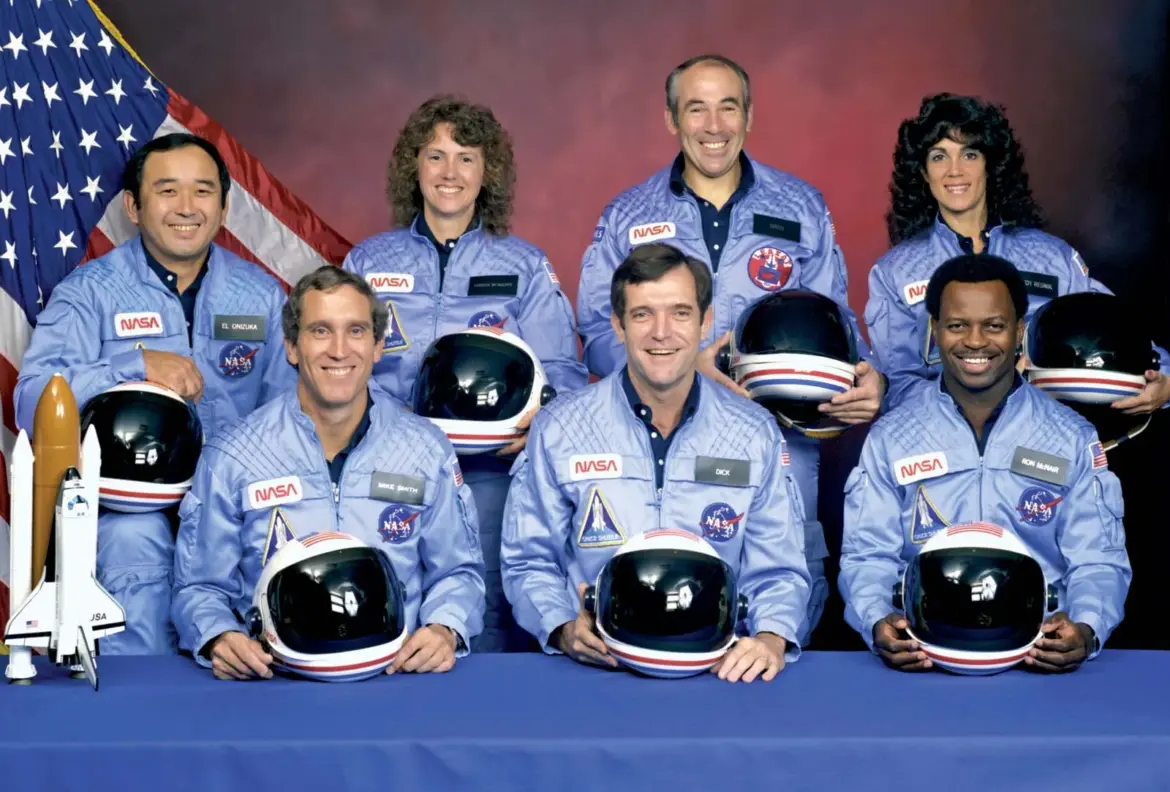
The Challenger was set to launch on its tenth flight, carrying seven crew members, including the first teacher in space, Christa McAuliffe. Just 73 seconds into its flight, the shuttle broke apart, leading to the loss of all on board. The immediate cause of the disaster was found to be the failure of an O-ring seal in its right solid rocket booster, which allowed hot gases to escape and ultimately led to the destruction of the vehicle.
Contributing Factors
A detailed investigation conducted by the Rogers Commission revealed several contributing factors to the Challenger disaster. It was determined that the temperature on the day of the launch was unusually low, which adversely affected the O-rings’ performance. Furthermore, the commission highlighted organisational failures within NASA, positive mindsets regarding previous successful missions, and pressures to launch on schedule despite safety concerns raised by engineers. These issues underscored a culture that prioritized schedule adherence over safety considerations.
Consequences and Reforms
The aftermath of the Challenger disaster reshaped NASA’s operational protocols and safety culture. The investigation prompted significant changes such as improved safety measures, enhanced communication among engineers, and the establishment of the Office of Safety and Mission Assurance. Additionally, it led to the cessation of shuttle flights for nearly three years as the agency worked to reform its procedures and regain public trust.
Conclusion
The Challenger disaster serves as a crucial reminder of the inherent risks associated with space exploration and the importance of prioritising safety and transparency. As NASA continues its missions in deep space, including plans for Mars exploration, the lessons learned from this tragedy remain relevant. Ongoing efforts to maintain rigorous safety standards are vital to ensuring the success and safety of future missions. For the readers, understanding the implications of the Challenger disaster highlights the importance of vigilance and accountability in high-stakes environments.