Introduction
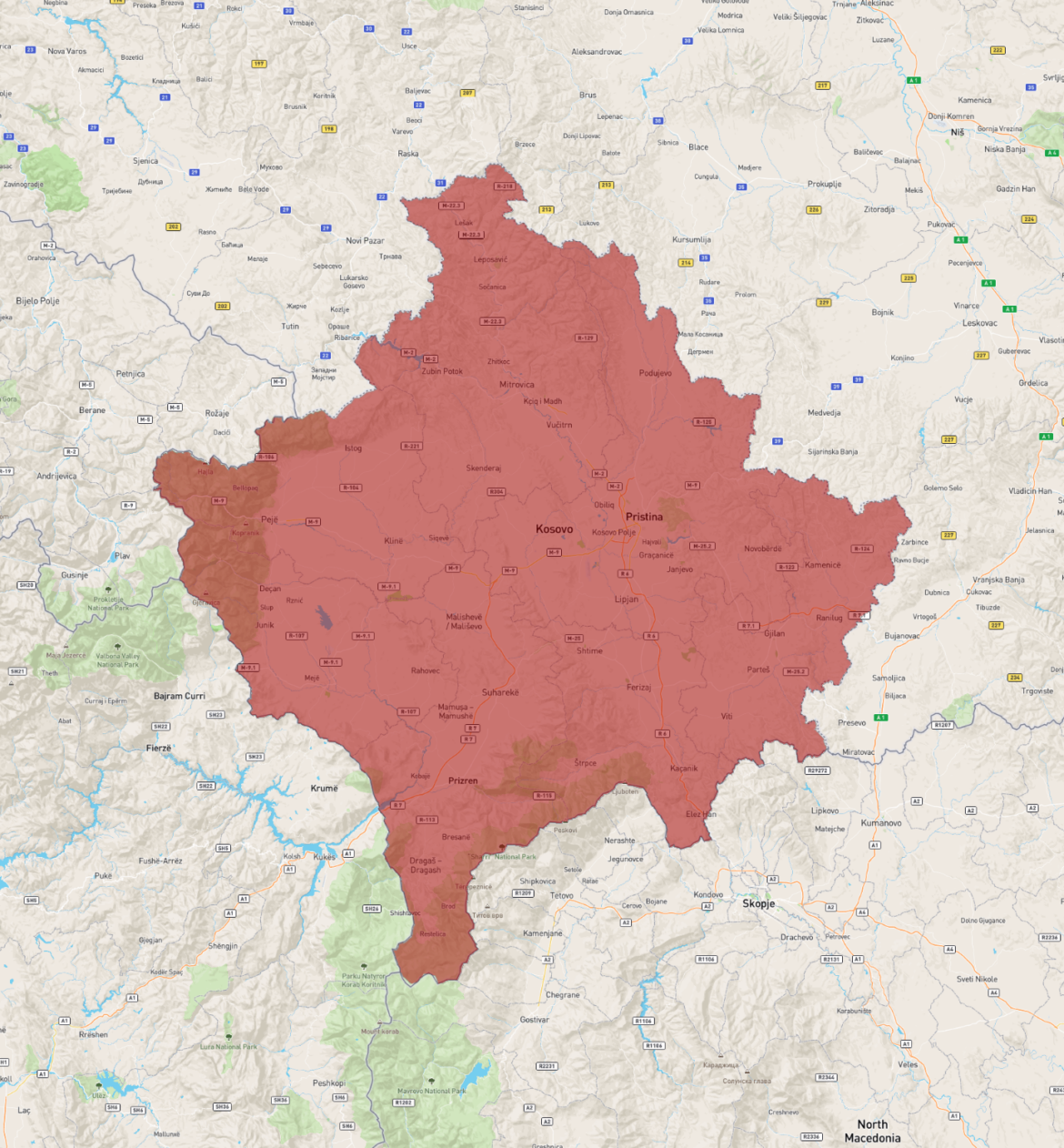
Kosovo, a landlocked region in Southeast Europe, has been at the centre of geopolitical discussions since declaring independence from Serbia in 2008. Its political landscape is crucial not just for the Balkan region but also for the broader European context, as ongoing tensions and negotiations impact relations among countries in the area. Understanding the current situation in Kosovo is vital for gaining insight into potential future developments in the region.
Recent Developments
In recent months, Kosovo has witnessed a surge in nationalistic tensions, particularly regarding its relations with Serbia. Following a series of elections in the northern municipalities where the ethnic Serb population predominates, protests erupted over the legitimacy and fairness of the electoral process. The government in Pristina has sought to exert control and legitimacy in these areas, which are largely backed by Belgrade, leading to heightened conflicts.
Additionally, the European Union has been mediating dialogue between Kosovo and Serbia, aiming for a comprehensive normalisation agreement. However, negotiations have stalled repeatedly, most recently due to disagreements over mutual recognition and rights for ethnic minorities. These stumbles have dire ramifications for both nations’ aspirations to join the EU.
Political and Economic Impact
The ongoing political unrest is taking a toll on Kosovo’s economy, which has been attempting to recover from decades of conflict and instability. The International Monetary Fund (IMF) has noted the importance of political stability for attracting foreign investment, essential for economic growth. The region faces high unemployment rates, especially among youth, underscoring the need for comprehensive reforms.
Furthermore, Kosovo’s aspirations to join international organisations such as the United Nations are hampered by Serbia’s consistent lobbying against its recognition. The lack of infrastructure development and political consensus inhibits improvements in living standards for many Kosovars, perpetuating a cycle of discontent.
Conclusion
The situation in Kosovo remains precarious as the interplay between local governance, ethnic tensions, and international diplomacy continues to unfold. With the EU keen on fostering peace and stability in the Balkans, the need for a resolution to Kosovo’s status is more pressing than ever. As the world watches, Kosovo’s future will likely play a significant role in shaping regional politics and security. For its citizens, the hope for a stable and prosperous future hinges on the ability of leaders to negotiate and cooperate effectively amidst ongoing challenges.