Introduction
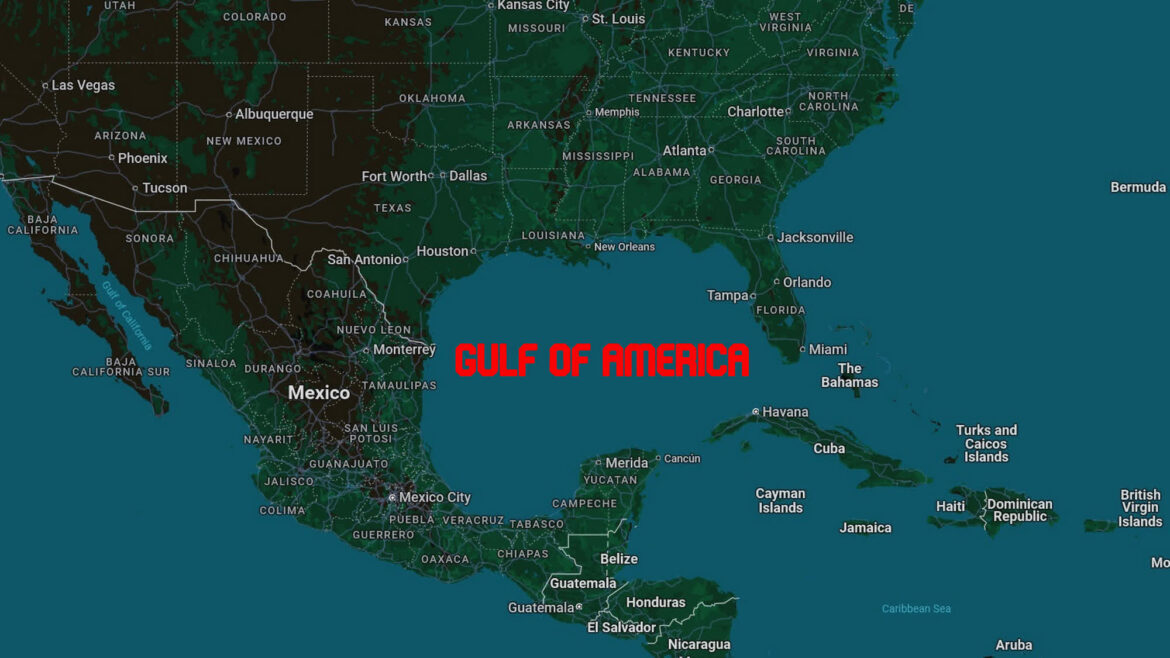
The Gulf of Mexico is a crucial body of water that plays a significant role in the environmental, economic, and social fabric of the United States and adjacent countries. Spanning over 600,000 square miles and bordered by five U.S. states—Texas, Louisiana, Mississippi, Alabama, and Florida—the Gulf is considered essential for marine biodiversity, fishing industries, and oil production. Furthermore, it has immense cultural significance for coastal communities.
Current Events and Challenges
As we move into 2023, the Gulf of Mexico faces several pressing issues, primarily driven by climate change. Rising sea levels, increased hurricane intensity, and the degradation of marine habitats are all worrying trends. This year, the Gulf has already recorded unusual weather patterns, including a surge in tropical storms that have raised concerns about the frequency of extreme weather events.
Recent studies indicate that warmer waters can lead to intensified hurricanes, impacting local economies reliant on tourism and fishing. Furthermore, the ‘dead zone’ phenomenon, where oxygen levels in the water drop significantly due to nutrient pollution, affects marine life and strikes particularly hard at the fishing industry. Reports show that the size of the dead zone has been increasing, affecting fisheries and the overall health of the ecosystem.
Impact on Local Communities
The implications of these challenges are dire for the coastal populations. Fishermen face declining catches, and businesses dependent on tourism are experiencing unpredictable seasons, all of which contribute to economic instability. Moreover, communities are dealing with the mental and physical health impacts of uncertain livelihoods exacerbated by extreme weather events.
Conclusion
While the Gulf of Mexico remains a vital resource for millions, it is evident that immediate action is required to combat the growing threats posed by climate change and pollution. Continued investment in conservation and sustainability initiatives is essential to protect this precious ecosystem for future generations. Policymakers must prioritise environmental resilience to mitigate climate impacts and preserve the Gulf’s economic and cultural heritage. The significance of the Gulf of Mexico goes beyond its physical expanse; it encompasses a network of life and livelihoods that require urgent attention and protective measures for sustainability.