Introduction
The Hillsborough disaster, which occurred on 15 April 1989, is one of the most tragic events in football history, claiming the lives of 96 Liverpool fans during an FA Cup semi-final. The importance of this incident goes beyond the immediate loss of life; it has led to significant changes in stadium safety regulations and a broader discussion about crowd management and emergency response in sporting events.
The Event
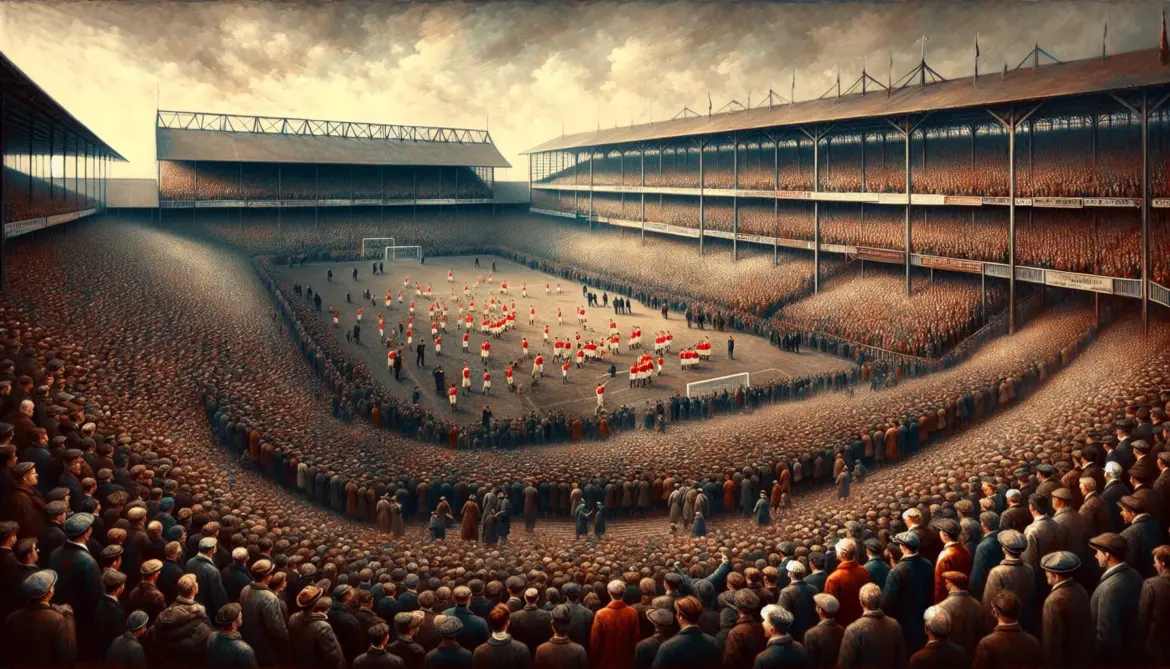
On that fateful day, thousands of fans descended upon Hillsborough Stadium in Sheffield. Due to a series of misjudgments and failures in crowd control, an overcrowding situation developed in the standing areas of the stadium. As a result, a crush ensued, leading to the deaths of 96 people and injuring over 700 others. Eyewitness accounts revealed chaos as fans pleaded for assistance while some attempted to escape the unfolding disaster.
The Aftermath
In the wake of the disaster, numerous investigations were conducted, leading to the Taylor Report in 1990, which introduced all-seater stadiums, greatly improving safety standards across UK football. However, the aftermath also led to years of pain and suffering for the families of the victims, compounded by the infamous media portrayal and victim-blaming that followed. For many years, the families of the victims campaigned to uncover the truth behind the disaster and seek justice, culminating in a landmark inquest that concluded in 2016, determining that the victims were unlawfully killed.
Legacy and Importance
The Hillsborough disaster has had lasting implications not only for football but for public safety at large. It sparked a profound change in how sporting events are managed and has led to tighter regulations regarding crowd control and safety protocols. The ongoing memorials and tributes to those lost on that day serve as a reminder of the need for vigilance in ensuring the safety of all fans. The incident has also resulted in increased awareness and education on the management of large crowds in various contexts, extending beyond football.
Conclusion
As we reflect on the Hillsborough disaster, it is crucial to honour the memory of the fans who lost their lives that day and to recognise the changes their sacrifice has inspired. The tragedy has not only reshaped football safety standards but also continues to influence discussions about crowd dynamics and emergency planning in all cultural and sporting contexts. Ensuring the safety of fans remains paramount, and the lessons learned from Hillsborough must never be forgotten.