Introduction
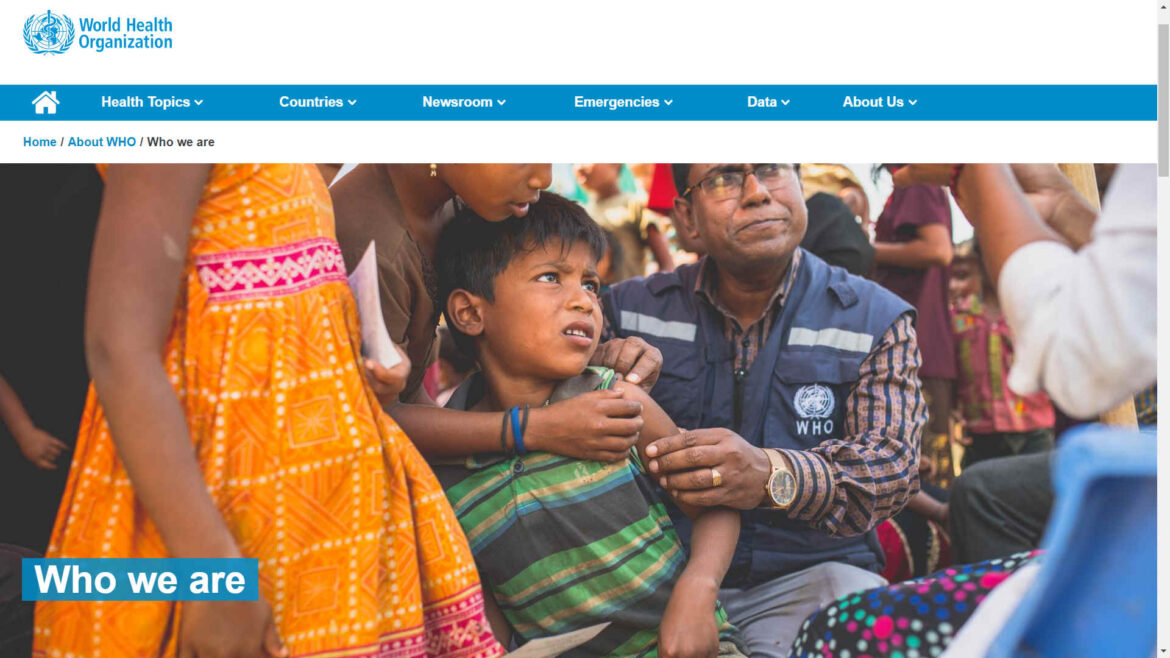
The World Health Organization (WHO) plays a crucial role in addressing global health issues that affect populations across the globe. Established in 1948, the WHO aims to promote good health, ensure access to healthcare services, and respond to health emergencies. As the world grapples with ongoing health challenges like the COVID-19 pandemic and rising non-communicable diseases, the significance of WHO’s work has never been more apparent.
Current Events and Initiatives
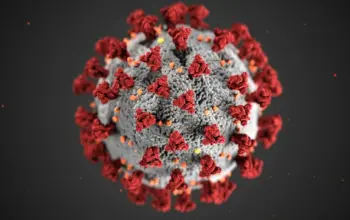
In recent months, the WHO has been at the forefront of managing public health responses to various crises. Notably, the ongoing battle against COVID-19 remains a priority, with WHO continuing to provide guidance on vaccinations, treatments, and public health measures. As of October 2023, the organization reported a substantial increase in vaccination rates across several countries, although disparities still exist, especially in lower-income regions.
Additionally, the WHO is focusing its efforts on combating mental health issues exacerbated by the pandemic. A recent report highlighted that mental health conditions have risen significantly, prompting WHO to launch the “Act Now for Mental Health” campaign. This initiative aims to raise awareness and improve resources for mental health support worldwide.
WHO’s Influence on Global Health Policies
Aside from responding to immediate health crises, the WHO significantly influences global health policies. The organization collaborates with member states to develop health guidelines and regulations, emphasising the importance of universal health coverage. Furthermore, the WHO promotes research and innovation in medicine through partnerships with universities and health institutions, driving global health advancements.
In light of climate change, WHO has also begun addressing environmental health issues, promoting initiatives to mitigate health risks associated with rising temperatures and pollution. The recent WHO report on climate and health warned of escalating health threats linked to climate change, including increased vector-borne diseases and heat-related illnesses.
Conclusion
The World Health Organization’s impact on global health cannot be overstated. As a leading authority in public health matters, WHO continues to advocate for health equity and emergency preparedness while addressing evolving health challenges through innovative solutions. As we move forward, it is imperative for countries to collaborate and support the WHO in its initiatives to enhance health outcomes worldwide. The ongoing work of the WHO will be critical in helping nations navigate future health uncertainties and foster a healthier global community.