Introduction
The interest of former President Donald Trump in acquiring Greenland has sparked widespread debate and speculation. This topic gained traction in 2019 when Trump expressed an interest in purchasing the autonomous territory from Denmark, citing its strategic significance and natural resources as key factors. Understanding why Trump wanted Greenland offers insight into his foreign policy priorities and the broader geopolitical landscape.
Strategic Importance of Greenland
Greenland, the world’s largest island, is strategically located between North America and Europe. Its geographic position is of significant military interest to the United States, especially in the context of rising tensions with Russia. The island hosts Thule Air Base, the northernmost U.S. military base, which plays a crucial role in tracking missile launches and providing early warning against potential threats. Trump’s desire for expansion in Greenland can thus be viewed as a move to bolster U.S. military presence and influence in the Arctic region amid competitive geopolitical interests.
Economic Opportunities
Aside from military strategy, Greenland is rich in natural resources, including rare minerals, fossil fuels, and a burgeoning fishing industry that has drawn international attention. The increasing accessibility of these resources due to climate change and melting ice caps presents a significant economic opportunity. Trump has often emphasized the importance of energy independence and resource acquisition in his political rhetoric, making Greenland’s untapped wealth a potentially appealing target for U.S. interests.
Climate Change and Geopolitical Shifts
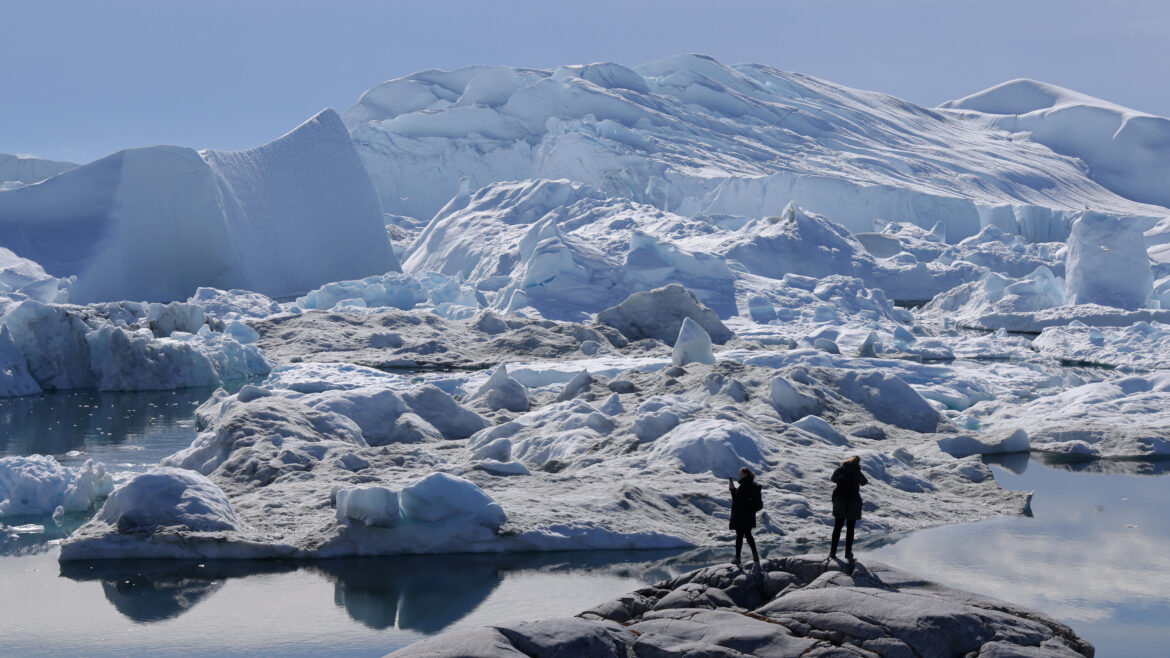
As global warming continues to disrupt traditional geopolitical boundaries, the Arctic region’s economic and tactical importance only intensifies. Shipping routes such as the Arctic Sea Route are opening up, transforming trade dynamics between major economies. Trump’s interest in Greenland may also be interpreted as part of a wider strategy to assert U.S. dominance in a changing world, where access to new passages and resources is becoming increasingly vital.
Conclusion
Trump’s interest in acquiring Greenland cannot be distilled down to a simple real estate transaction; it encapsulates a complex interplay of military strategy, economic opportunity, and global competition. While any formal proposal to purchase Greenland has faced significant diplomatic obstacles, the conversation surrounding it illuminates the ongoing importance of Arctic geopolitics in national strategy. As climate change reshapes the geographical and economic landscape, the U.S. may continue to focus on regions like Greenland as pivotal to its future interests. For readers, understanding these motivations provides a clearer picture of how global politics are increasingly intertwined with environmental and economic realities.