Introduction
The topic of universal credit legislation and welfare reforms has become increasingly significant in the United Kingdom, particularly as the government seeks to adapt its social security system in response to economic challenges. Universal Credit, introduced in 2013, aims to streamline various benefits into a single payment, but its implementation has sparked considerable debate and scrutiny from advocacy groups, politicians, and affected individuals alike.
Current Developments
As of late 2023, the UK government is pushing forward with additional reforms to the universal credit system. Recent statistics from the Department for Work and Pensions indicate that over 6 million people are currently receiving universal credit. The system is designed to provide financial support to those on low incomes and is aimed at reducing poverty. However, feedback from claimants has raised concerns about the adequacy of payments and the complexity of the application process.
In response to these concerns, the government has announced plans to simplify the claims process while also increasing the work allowances to incentivise employment. These adjustments are part of a broader strategy to ensure that the welfare system aligns more closely with the evolving labour market. Additionally, the government intends to invest in training and support services to help universal credit recipients gain employment and improve their job prospects.
Challenges and Controversies
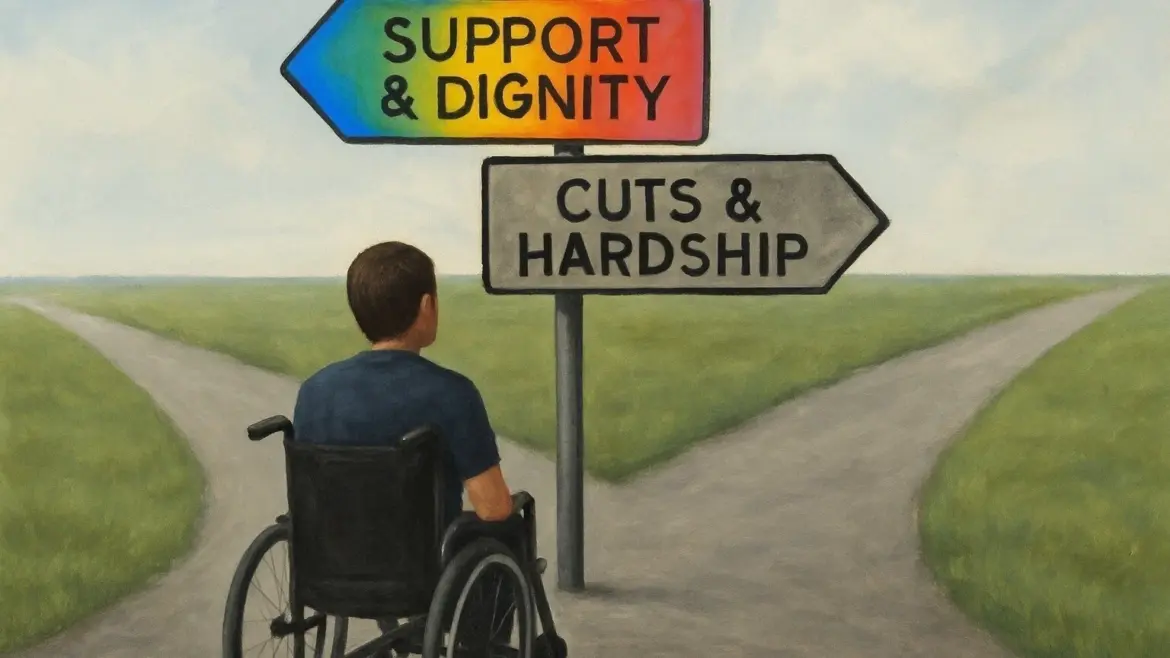
Despite these reforms, opposition parties and welfare advocacy organisations continue to criticise the government for its handling of the universal credit system. Critics argue that the phased rollout has left many vulnerable individuals without adequate support, particularly during the ongoing cost-of-living crisis. Reports indicate that many claimants experience delays in payment, which can lead to considerable financial hardship.
Moreover, the link between universal credit and sanctions remains a contentious issue. Some claimants fear that stringent requirements may push them into financial instability if they are unable to secure employment quickly. As a result, calls for further adjustments to ensure fair treatment and sufficient support for all claimants are mounting.
Conclusion
The evolution of universal credit legislation and welfare reforms will likely remain a focal point in UK politics in the coming months. With various stakeholders advocating for systemic changes, the government faces pressure to balance budgetary constraints with the need for social support. Forecasting future developments, it is anticipated that the ongoing dialogue surrounding universal credit will lead to further adjustments aiming to improve the system for both claimants and policymakers alike.