Introduction
The identity of Satoshi Nakamoto, the pseudonymous creator of Bitcoin, remains one of the biggest mysteries in the world of finance and technology. Since the launch of Bitcoin in 2009, Nakamoto’s influence has reshaped the landscape of digital currencies and led to the emergence of a multi-trillion-pound cryptocurrency market. Understanding Nakamoto’s contributions and the subsequent developments in cryptocurrency is crucial as it not only pertains to the economics of the currency but also to the principles of decentralisation and blockchain technology.
The Birth of Bitcoin
In October 2008, Satoshi Nakamoto published a white paper titled “Bitcoin: A Peer-to-Peer Electronic Cash System.” This groundbreaking document outlined the principles of a decentralised digital currency and laid the framework for blockchain technology, where transactions are recorded transparently using cryptographic techniques. Nakamoto mined the first unit of Bitcoin (referred to as the ‘genesis block’) in January 2009, marking the beginning of the Bitcoin era.
Mystery and Speculation
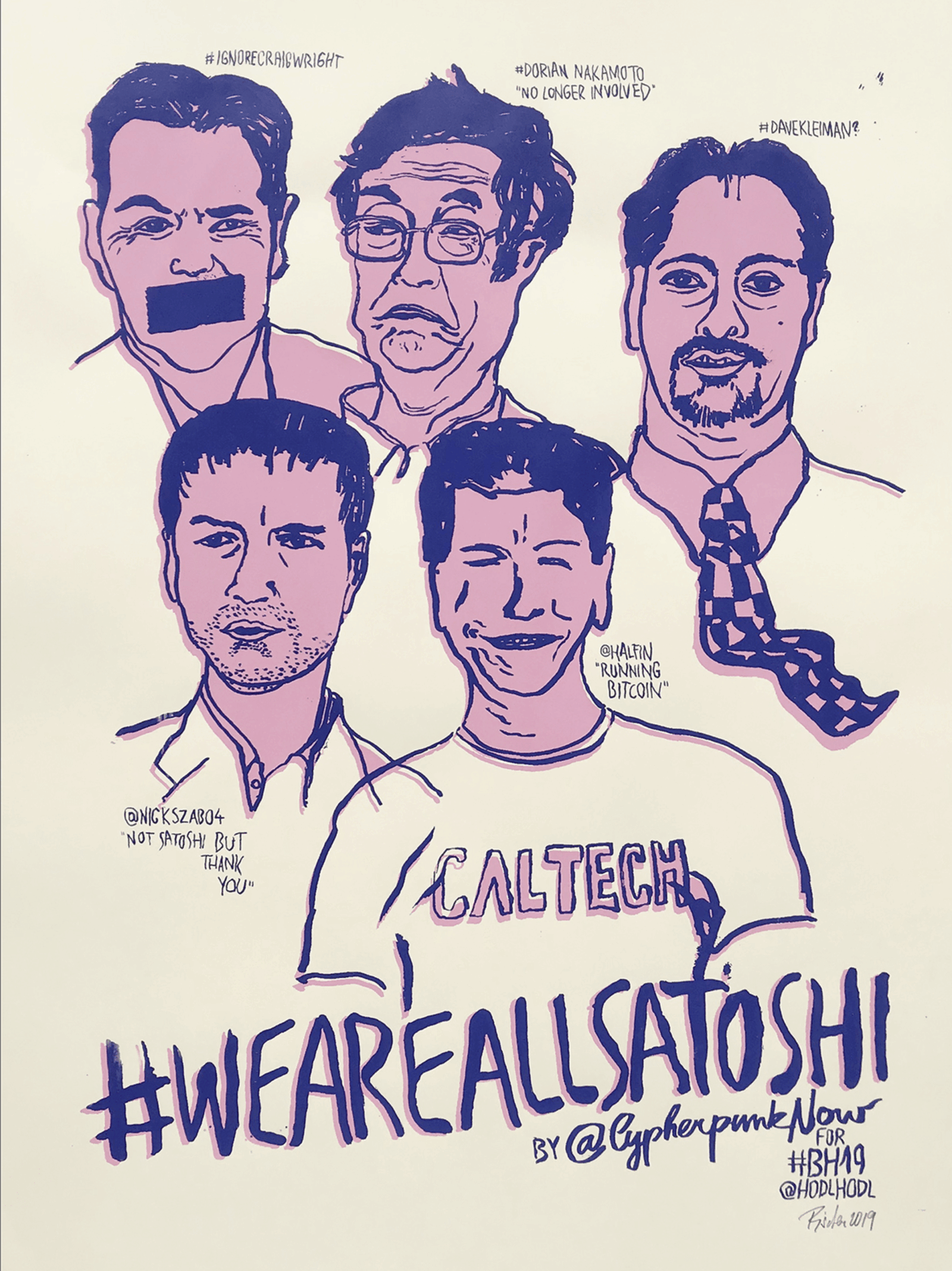
Despite the immense impact of Bitcoin, Nakamoto’s true identity remains undisclosed. Numerous individuals have been speculated to be Nakamoto, ranging from computer scientists to cryptography experts. One of the most popular theories suggested that a group of individuals, rather than a single person, might be behind the pseudonym. Notable figures including Nick Szabo and Craig Wright have at various times claimed to be Nakamoto, yet no definitive proof has been provided.
The Impact of Satoshi’s Vision
The principles laid out by Nakamoto have led Bitcoin to become not just a digital currency but a symbol of financial freedom and privacy. With a market capitalisation surpassing £700 billion as of 2023, Bitcoin remains the most recognised cryptocurrency, serving as a benchmark for over 19,000 other cryptocurrencies in existence today. Furthermore, Nakamoto’s vision of decentralisation has inspired countless projects aimed at leveraging blockchain technology across various industries, from finance to supply chain management.
Conclusion
Satoshi Nakamoto may remain an enigma, but the legacy of their work continues to invoke discussions on money, privacy, and decentralised systems. As the cryptocurrency market evolves, the principles Nakomoto instilled will likely influence future developments and innovations. The ongoing quest for Nakamoto’s identity may not just satisfy public curiosity but might also provide insights into the very foundations of a rapidly changing economic landscape. As such, readers should keep an eye on ongoing discussions regarding Nakamoto, as the implications may bear significance on both technology and finance in the coming years.