The numbers
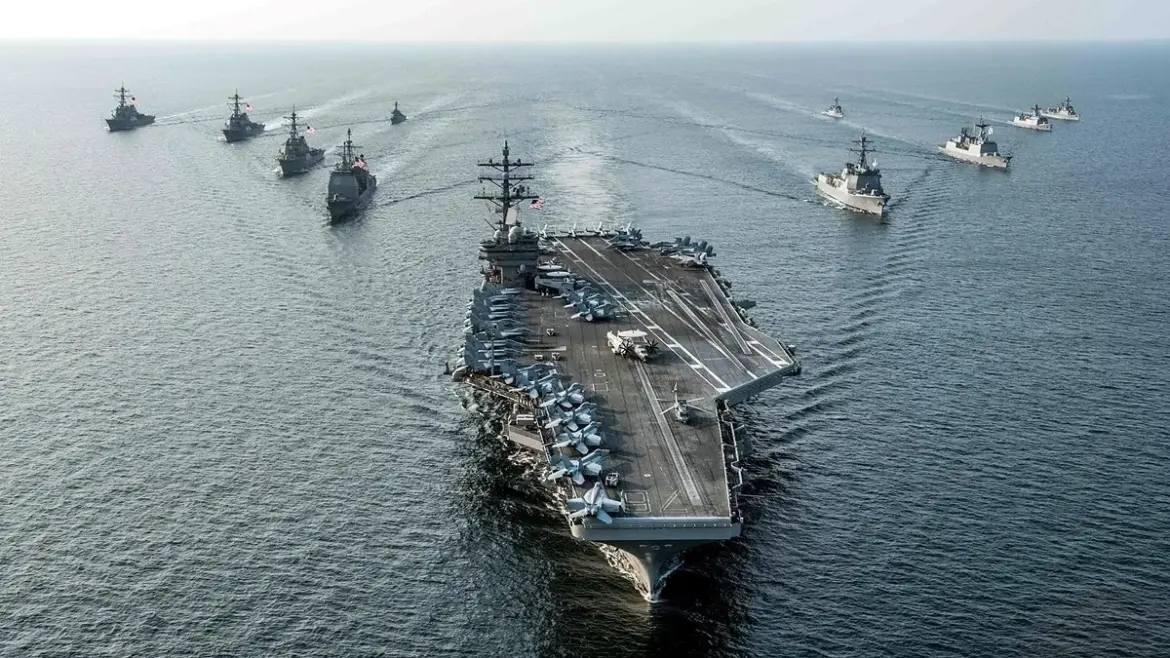
In a significant escalation of military tensions, Iran has claimed that it launched a cruise missile towards the USS Abraham Lincoln aircraft carrier. This assertion comes amidst a backdrop of ongoing conflict in West Asia, where military actions have intensified since late February, including airstrikes by the United States and Israel.
The Iranian Army’s public relations department stated that coastal cruise missiles were fired in the direction of the USS Abraham Lincoln. Iranian naval commander Lieutenant Colonel Ebrahim Zolfaqari warned that the aircraft carrier would be targeted if it entered the range of Iran’s missile systems. “The Iranian Navy’s Qader cruise missiles targeted the USS Abraham Lincoln carrier belonging to the US and forced it to change its position,” Zolfaqari asserted.
Adding to the tension, Iranian state media released a video purportedly showing missile launches and the sounds of explosions. However, the authenticity of this footage has not been independently verified, raising questions about the veracity of Iran’s claims. The absence of confirmation from the United States regarding any missile strike on the USS Abraham Lincoln further complicates the situation.
Iran’s military has claimed that the USS Abraham Lincoln was forced to alter its course due to the missile launch. This declaration aligns with Iran’s broader narrative that it is capable of defending its territorial integrity against perceived threats from the United States. Zolfaqari emphasized, “The era of your promises is over. Today, there are only two fronts in the world: truth and falsehood.” He further stated, “If the self-proclaimed superpower of the world could have escaped this predicament, it would have done so by now,” underscoring Iran’s defiance in the face of U.S. military presence in the region.
Despite these claims, there has been no independent confirmation of missile impact, damage, or the current location of the USS Abraham Lincoln. The lack of U.S. confirmation leaves the situation ambiguous, with observers questioning the accuracy of Iranian reports. Moreover, Iranian officials have denied any official communication with the United States regarding the missile launch, further clouding the narrative.
The Iranian military’s statements reflect a broader strategy aimed at projecting strength and ensuring regional stability through its armed forces. “Stability in the region is ensured by the powerful hand of our armed forces,” Zolfaqari declared, reinforcing Iran’s stance on its military capabilities.
As the situation unfolds, the implications of these developments could have far-reaching consequences for U.S.-Iran relations and regional security dynamics. The ongoing conflict in West Asia, characterized by military actions and heightened rhetoric, suggests that both nations remain on high alert. Details remain unconfirmed, and the exact status of the USS Abraham Lincoln following the reported missile launch remains unclear.