Introduction
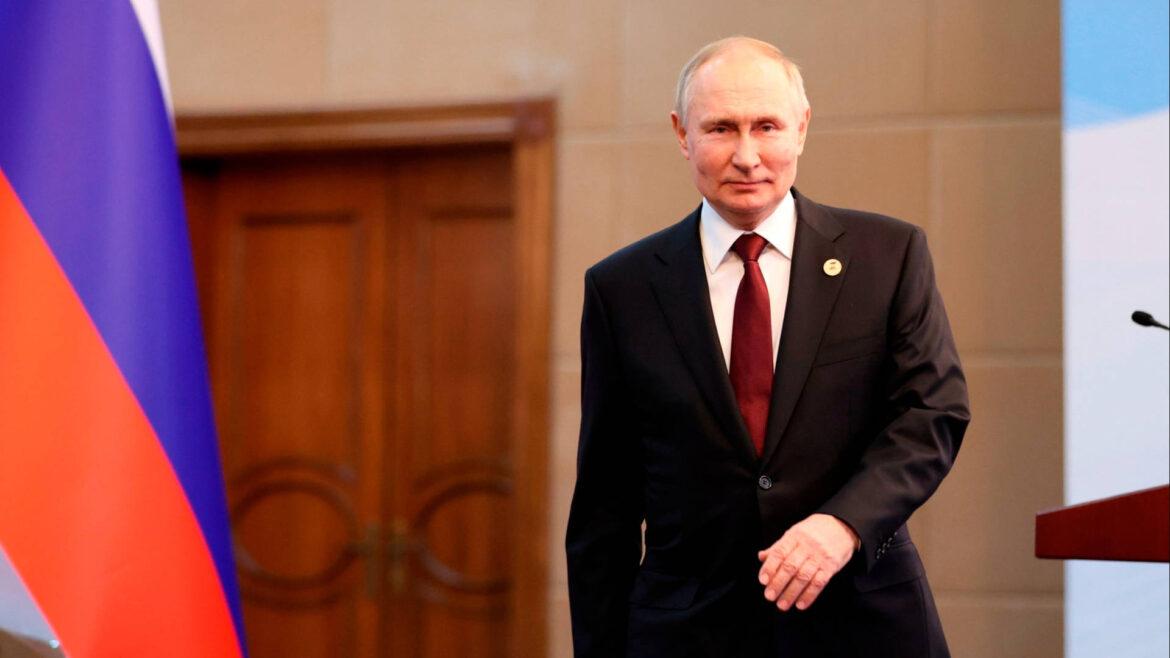
Vladimir Putin, the President of Russia, has long been a pivotal figure in global politics, shaping international relations through his controversial policies and actions. With a tenure that has spanned two decades in various leadership roles, Putin’s influence is particularly relevant today as the world grapples with numerous geopolitical challenges. Understanding his strategies and their implications provides insight into the current state of global affairs.
Recent Events and Actions
In recent months, Putin’s decisions have garnered significant attention, particularly regarding the ongoing conflict in Ukraine. Military operations launched in February 2022 have led to widespread condemnation from Western nations, resulting in severe economic sanctions imposed on Russia. Despite this, Putin has maintained that his actions are necessary for Russia’s security and sovereignty, framing the conflict as a response to NATO’s eastward expansion.
Additionally, in September 2023, Russia conducted extensive military exercises, signaling its readiness to confront perceived threats. This show of military strength comes at a time when NATO is enhancing its presence in Eastern Europe, further escalating tensions between Russia and the West.
Domestic Politics and Challenges
Internally, Putin faces challenges amidst economic downturns exacerbated by sanctions. The Russian economy has shown some resilience, yet rising inflation and a declining standard of living are prompting dissatisfaction among the populace. In recent public appearances, Putin has attempted to cultivate a sense of nationalism, positioning himself as the protector of Russian interests against external foes.
The political landscape in Russia also indicates a tightening grip on dissent. Reports of crackdowns on opposition figures and independent media highlight the increasingly authoritarian nature of governance under Putin. These measures demonstrate his commitment to maintaining control over the political narrative in Russia, especially as public discontent grows.
Conclusion and Future Implications
As Vladimir Putin continues to navigate challenges both domestically and internationally, his actions are expected to reverberate across global politics. The ongoing conflict in Ukraine remains a key factor in shaping alliances and enmities, and Putin’s assertive foreign policy will likely influence the stances of global powers.
Looking forward, analysts suggest that Putin’s administration may adopt a more confrontational posture as Western engagement intensifies. The potential for escalation remains high, making it crucial for world leaders to adopt strategic approaches to mitigate the risks of a broader conflict.
In conclusion, understanding Vladimir Putin’s role in international affairs is essential for grasping the complexities of today’s geopolitical landscape. His leadership not only impacts Russia but also the wider world dynamics, making it imperative for citizens and policymakers alike to stay informed and engaged.