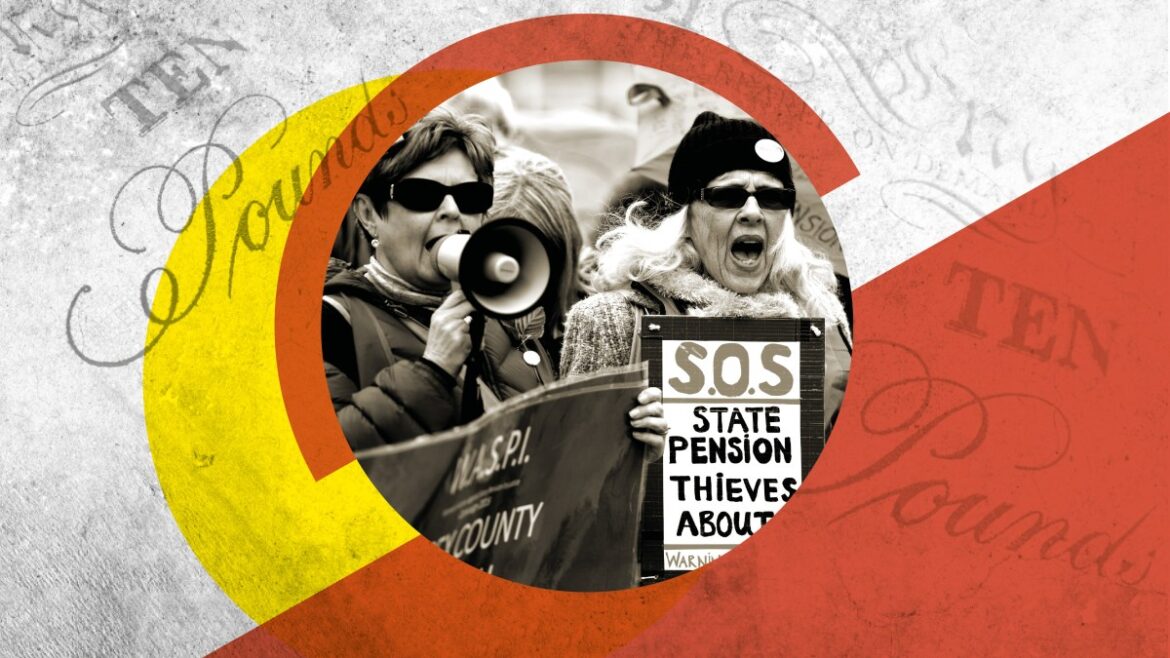
The WASPI Campaign: An Overview
The Women Against State Pension Inequality (WASPI) campaign has been a significant movement in the UK since its inception in 2015. It aims to address the grievances of women born in the 1950s who have been adversely affected by changes in the state pension age. The campaign has gained traction, drawing attention from the media and political circles, as it raises vital issues surrounding gender equality and financial security.
Recent Developments in the WASPI Campaign
As of late 2023, the WASPI movement continues to push for justice, amplified by the recent discussions in Parliament concerning pension reforms. In a recent parliamentary session, Members of Parliament debated the implications of the pension age changes, which significantly impacted many women’s retirement plans. The WASPI women attended these sessions, advocating for fair compensation and transitional arrangements for those affected.
In addition to parliamentary engagements, the WASPI group has also launched a series of public awareness campaigns, employing social media platforms and community events to highlight their plight. These efforts have resulted in growing public support, evidenced by an increase in petitions and social media engagement.
Financial Implications for Affected Women
The financial ramifications of the pension changes have been severe for many 1950s-born women, with some facing a delay of up to six years in accessing their pensions. According to estimates, around 3.8 million women have been impacted, leading to financial hardship and increasing reliance on state benefits. Many of these women have been forced to reconsider their retirement plans, taking up work later in life, which has broader implications for the economy.
Looking Ahead: The Future of the WASPI Campaign
The fight for recognition and redress poses significant implications for gender equality in the UK. Analysts suggest that the long-term effects of the WASPI campaign could influence future pension policies, potentially leading to more inclusive reforms that account for women’s specific needs. With national elections approaching, the WASPI group aims to engage with political candidates, urging them to address these issues in their manifestoes.
Conclusion
The WASPI campaign represents a critical junction in the fight for women’s rights in the UK, aiming to provide redress for those who have been unfairly treated by abrupt government policy changes. As the movement continues, it is essential for the public and policymakers to remain informed and engaged with the issues of financial security and equality for older women.