Before the Shift
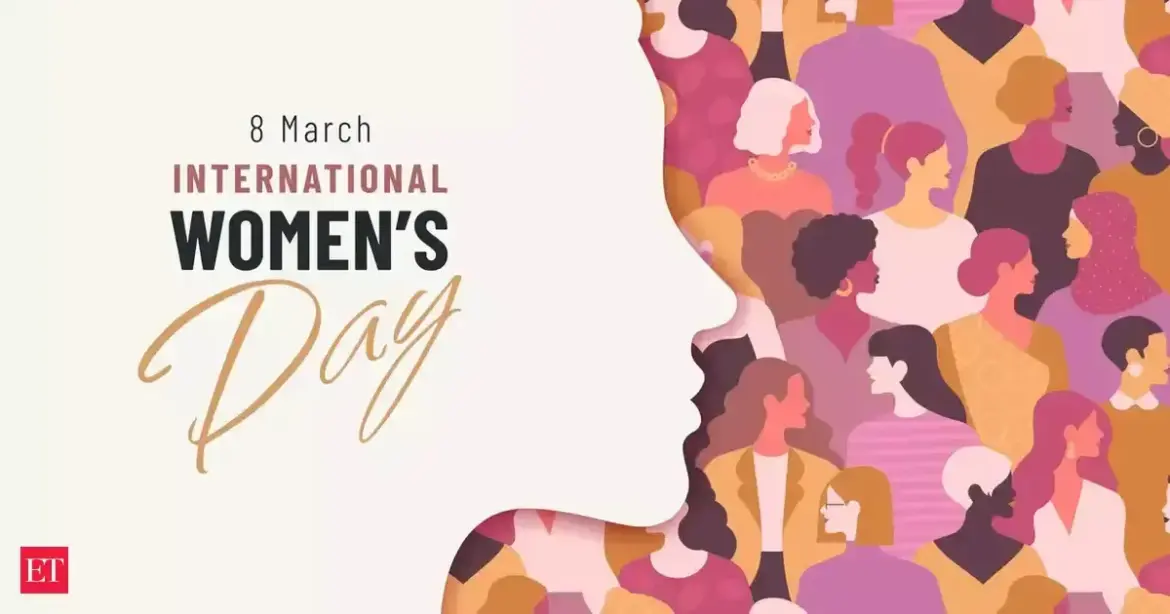
International Women’s Day, celebrated annually on 8 March, has long served as a platform to advocate for women’s rights and gender equality. Historically, the day emerged from labor movements in North America and Europe during the early twentieth century and was officially recognized by the United Nations in 1977. Prior to the 2026 observance, expectations were centered around raising awareness and promoting discussions about women’s issues globally, with themes often focusing on specific challenges faced by women in various sectors.
The Decisive Moment
The year 2026 brings a transformative theme: “Rights. Justice. Action For ALL Women and Girls.” This shift in focus signifies a broader commitment to not only acknowledge women’s rights but also to actively pursue justice and equitable treatment across all facets of life. The global campaign theme for 2026, “Give to Gain,” further emphasizes the importance of investing in women’s empowerment as a pathway to societal progress. This change reflects a growing recognition of women as essential drivers of economic and social development, particularly in countries like India.
Immediate Effects
As of January 2026, significant strides have been made in India regarding women’s empowerment. For instance, women constitute over 53% of UGC NET-JRF scholars in STEM subjects for the fiscal year 2024-25, showcasing an increase in female participation in traditionally male-dominated fields. Additionally, the Female Gross Enrolment Ratio (GER) in education has risen from 22.9% to 30.2% between 2014-15 and 2022-23, indicating a positive trend towards gender parity in education.
Expert Perspectives
Experts emphasize that women’s wellbeing is central to family and community welfare. The Indian government’s initiatives, such as the Pradhan Mantri Matru Vandana Yojana, have transferred over ₹20,060 crore to 4.26 crore beneficiaries, highlighting the financial support aimed at improving maternal health and child welfare. Furthermore, more than 10.56 crore LPG connections have been provided to women under the Pradhan Mantri Ujjwala Yojana, enhancing their quality of life and safety.
Progress and Challenges
Despite these advancements, challenges remain. The prevention of child marriages has seen a notable achievement, with 2,153 cases thwarted in India as of January 2026. However, the journey towards complete gender equality is ongoing. The enactment of the Sexual Harassment of Women at Workplace (Prevention, Prohibition and Redressal) Act in 2013 was a crucial step, yet the implementation and societal attitudes continue to evolve.
Looking Ahead
As International Women’s Day 2026 approaches, the focus on women’s rights and justice is expected to galvanize further action. Nearly half of all elected representatives in Panchayati Raj Institutions are women, indicating a shift towards greater female representation in governance. This representation is vital for ensuring that women’s voices are heard in policy-making processes that affect their lives directly.
International Women’s Day 2026 serves as a pivotal moment in the ongoing struggle for gender equality. With a renewed emphasis on rights, justice, and action, the event not only celebrates the achievements of women but also calls for continued efforts to address the disparities that persist. As the global community unites under the themes of this year, the hope is that the momentum will lead to lasting change for women and girls everywhere.