In a significant escalation of the ongoing Middle East conflict, Yemen’s Houthi rebels launched a ballistic missile towards Israel on March 28, 2026. This act marks the Houthis’ entry into the regional war, which has intensified following recent US-Israeli military actions against Iran.
The immediate circumstances surrounding this missile launch were fueled by widespread protests in Yemen against the US-Israeli attacks. The Houthis have warned of potential military intervention, signaling a shift in their engagement in the conflict. Reports indicate that the Israeli military successfully intercepted the missile, averting immediate damage.
This development comes as the conflict marks one month of intensified fighting between Israel and Iran, along with their regional allies. The Houthis have expressed solidarity with Palestinians during this period, further complicating the regional dynamics.
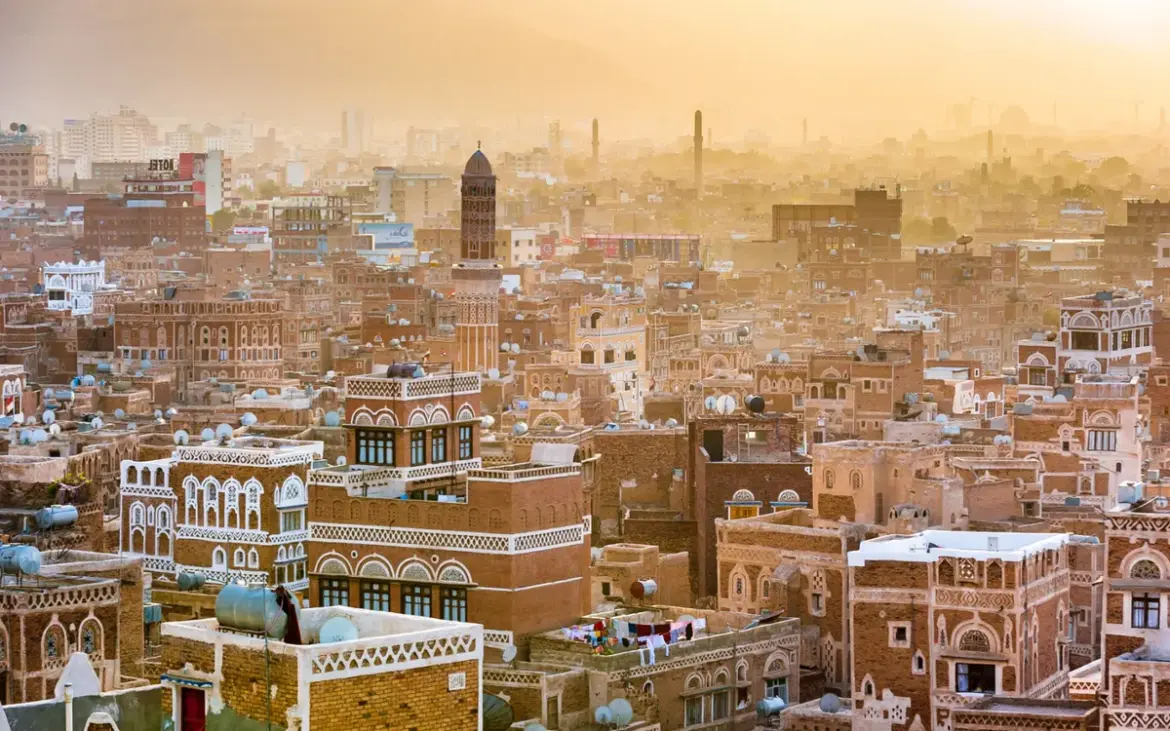
Historically, the Houthis have controlled the Yemeni capital of Sanaa since 2014 and had maintained a ceasefire with Saudi Arabia until now. Their previous military actions included targeting shipping routes in the Red Sea, which is a critical artery for global commerce. The recent missile launch has raised concerns about military escalation at sea, particularly given the ongoing disruptions to global trade and energy markets.
In a related incident, Iran’s military targeted a US logistics vessel near the Omani port of Salalah, further escalating tensions in the region. Analysts have noted that the Houthis’ entry into the conflict could have far-reaching implications beyond the battlefield.
Additionally, the conflict has led to increased oil and gas prices globally, impacting economies worldwide. Air travel has also been disrupted in Kuwait and Erbil due to the ongoing strikes, highlighting the broader ramifications of this conflict.
Iran’s Revolutionary Guards have issued warnings of retaliation for the economic damage caused by US-Israeli strikes, indicating that the situation could deteriorate further. Iranian President Masoud Pezeshkian stated, “If you want development and security, don’t let our enemies run the war from your lands,” emphasizing Iran’s stance in the conflict.
As the situation unfolds, the international community is closely monitoring developments, with fears that further escalation could lead to a more significant regional conflict. Details remain unconfirmed regarding the full extent of the Houthis’ military capabilities and their future actions.
In summary, the recent missile launch by the Houthis signifies a critical turning point in the Yemen conflict and its intersection with broader Middle Eastern tensions. The implications of this escalation are yet to be fully realized, but analysts warn of potential consequences that could extend well beyond the battlefield.