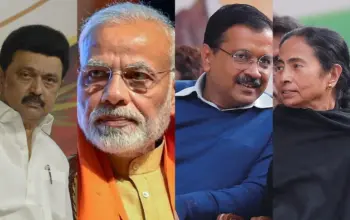
The 2026 Tamil Nadu assembly election is set for April 23, when voters will decide the political future of the state, particularly focusing on M.K. Stalin’s bid to secure a second consecutive term as Chief Minister.
Tamil Nadu has historically been a battleground for two major parties: the DMK and AIADMK. Since coming to power in 2021, the DMK has faced various challenges, including opposition from an AIADMK that seeks to return after five years of being in opposition.
As the election approaches, tensions have escalated between the DMK and AIADMK-led alliances, with both sides intensifying their campaigns to sway voters. The AIADMK has allied with the BJP for this election, aiming to consolidate their voter base against the incumbent DMK.
The newly formed Tamilaga Vettri Kazhagam (TVK), established by actor Joseph C Vijay in 2024, adds another layer of complexity to the electoral landscape, although it remains uncertain how much support it will siphon from anti-DMK votes.
Recent documents indicate that voter turnout during previous elections in Tamil Nadu typically hovers around 84 percent, suggesting a highly engaged electorate. This level of participation will likely be critical in determining the outcome of this election.
According to sources, this election is viewed as a referendum on M.K. Stalin’s performance over his five years in office. The results will not only shape the immediate political landscape but could also influence future governance strategies and party dynamics within Tamil Nadu.
The total number of seats in the Tamil Nadu legislative assembly is 234, with a majority mark set at 118. As candidates prepare for this decisive moment, both major parties are strategizing on how best to reach and resonate with their constituents.
The outcome of this election will determine not only who leads Tamil Nadu for the next five years but also reflects broader trends within Indian politics, where regional parties continue to play a significant role amidst national narratives.