The recent West Bengal Assembly elections, held in two phases on April 23 and April 29, 2026, have been characterized by the highest voter turnout since Independence, raising significant stakes for both the Trinamool Congress (TMC) and the Bharatiya Janata Party (BJP).
According to documents from the Election Commission of India, the voter turnout reached an impressive 92.8% in the first phase and 91.47% in the second phase. This marks a notable engagement from the electorate, even as the total electorate decreased from 7.66 crore to 6.82 crore due to the Special Identity Registration (SIR) exercise.
As the votes for all 293 Assembly seats are set to be counted on May 4, 2026, the political landscape is fraught with anticipation. The TMC aims to retain its power, while the BJP seeks a historic victory in West Bengal—this contest is underscored by allegations of electoral malpractices that have necessitated repolling in specific areas, such as Falta, scheduled for May 21.
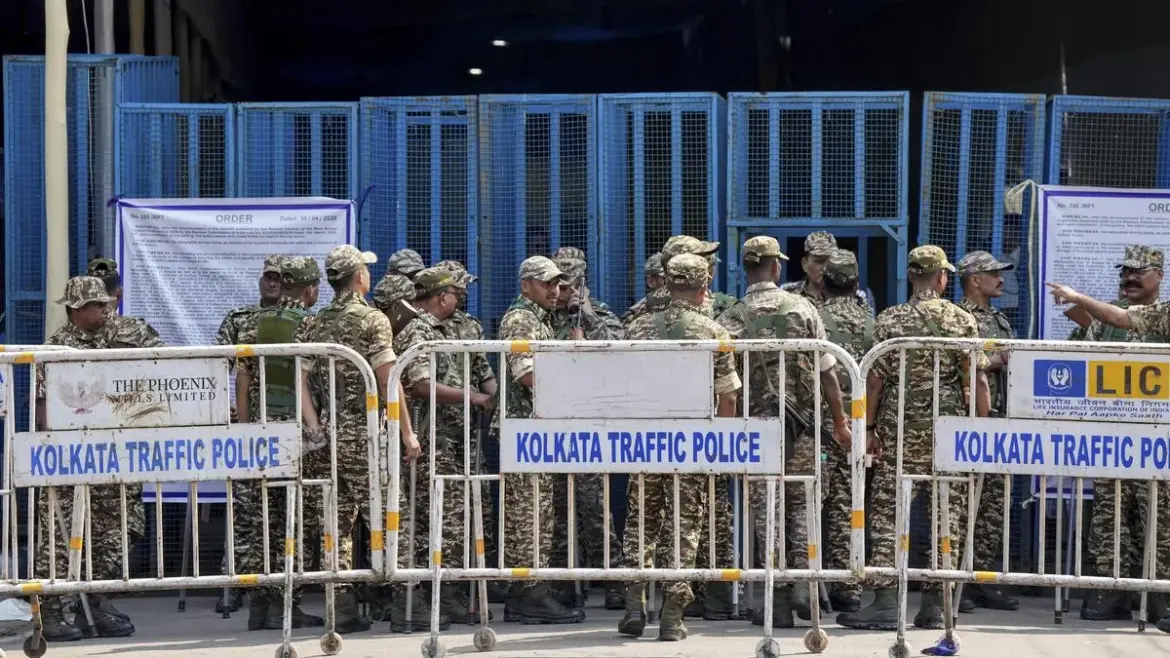
In preparation for this crucial counting process, the Election Commission has appointed an additional 165 counting observers along with 77 police observers to ensure transparency and integrity during vote counting.
The backdrop of this election is significant; having been in power for five years, TMC’s Mamata Banerjee faces challenges not only from BJP but also from traditional rivals like CPI(M) and Congress, both of which hope to reclaim a foothold after being largely sidelined in previous elections.
While TMC and BJP dominate discussions around electoral outcomes, it remains unclear how allegations of electoral malpractices will influence public perception and subsequent actions by these political parties.