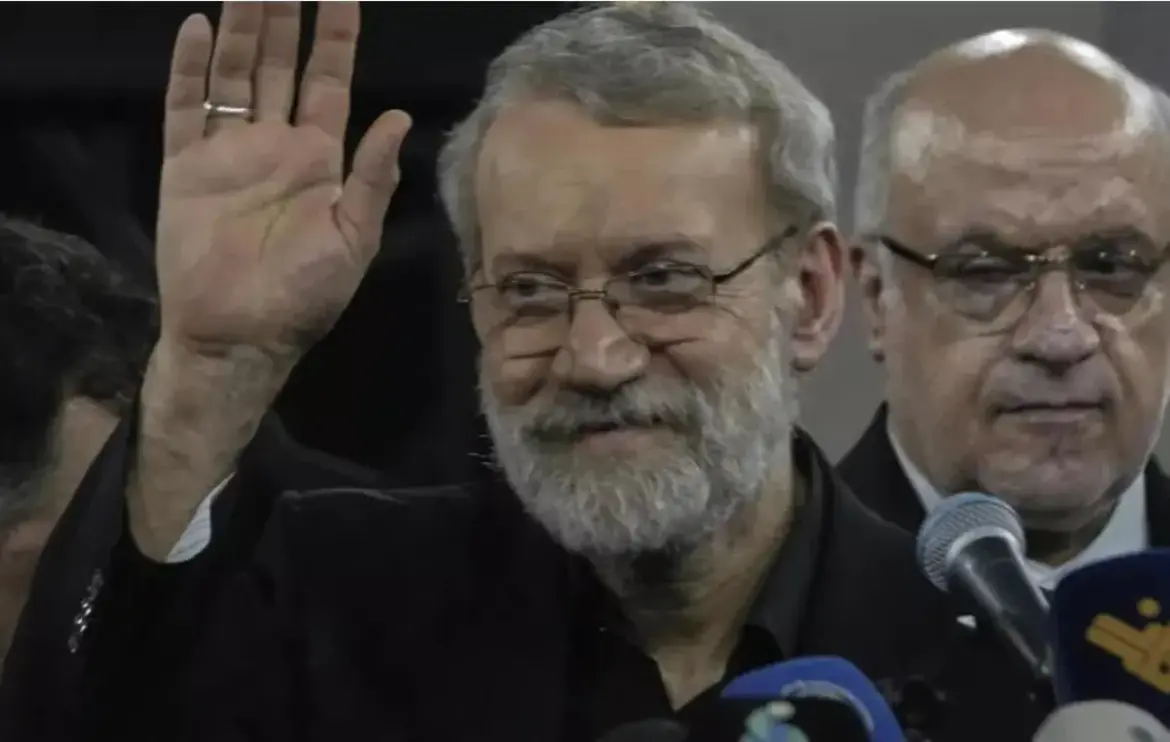
Ali Larijani, a prominent figure in Iranian politics, currently serves as the Secretary of the Supreme National Security Council, a position he has held for the second time since August 2025. His extensive political career includes roles as a Minister, Speaker of Parliament, and multiple presidential candidacies, marking him as a key player in Iran’s political landscape.
Despite his influential roles, Larijani’s standing is complex. He is often viewed as a pragmatic conservative by Western powers, yet his domestic reputation is marred by significant opposition. Political scientist Mahnaz Shirali has described him as “hated by Iranians” and labeled him a “criminal against humanity,” reflecting the deep-seated animosity some factions hold towards him.
Negotiations with Western powers have been a notable aspect of Larijani’s career, showcasing his ability to navigate complex international relations. However, skepticism surrounds his authority within Iran, particularly regarding the Revolutionary Guards. Azadeh Kian, a professor emeritus of sociology, pointedly remarked, “It is not obvious that his orders will actually be followed, particularly by the Revolutionary Guards, who are a state within a state.” This highlights the fragmented nature of power in Iran, where Larijani’s directives may not carry the weight one would expect from his title.
Observers note that while Larijani possesses considerable political weight, it may only enable him to negotiate a departure from the regime rather than embody the future of Iranian power. Kian further elaborated, stating, “If the Americans or the Israelis wanted to eliminate him, he would be eliminated like the others,” suggesting that his position is precarious and subject to external pressures.
As Larijani navigates these turbulent waters, the future of his political career remains uncertain. While he may play a role in shaping negotiations with the West, the internal dynamics of Iranian politics could limit his effectiveness. The question of whether he can establish a lasting authority or influence remains open, with many analysts expressing doubt about his capacity to unify the fractured political landscape.
Details remain unconfirmed regarding the extent of Larijani’s influence over the Revolutionary Guards and other key factions within Iran. As the political climate evolves, observers will be closely monitoring Larijani’s actions and the responses from both domestic and international actors.