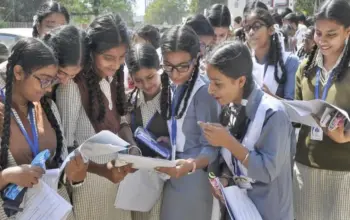
The increasing frequency of heat waves in India is prompting states to rethink and advance summer vacation schedules for schools. According to documents from the India Meteorological Department, temperatures in North India are expected to spike up to 45 degrees Celsius this season. This extreme weather has led several states to declare summer holidays ahead of schedule, marking a significant shift in how educational institutions respond to climate conditions.
The Odisha government announced that summer vacations will commence on April 27, 2026, while Chhattisgarh has moved its break up to April 20, 2026. Since 2022, at least ten states have opted for earlier summer holidays due to rising temperatures, indicating a growing trend among educational authorities.
In Uttar Pradesh, schools have adopted new timings from 7:30 am to 12:30 pm as a protective measure against the heat. This adjustment reflects a broader recognition of heatwave safety; officials emphasize the importance of adapting school schedules to safeguard children’s health during extreme weather.
Officials have also implemented innovative hydration practices. For instance, Delhi has initiated a ‘water bell’ program designed to remind students to stay hydrated throughout the school day. Such measures aim not only to enhance student well-being but also to ensure that learning continues effectively under challenging conditions.
Brian Seymour remarked, “The weather has become unpredictable and is regularly changing,” highlighting the challenges faced by educational institutions. Neha Sharma pointed out that while schools design elaborate curricula, they often struggle to implement them effectively amidst such challenging weather conditions.
Nandita Sinha Roy noted that advancing summer vacations does not disrupt academic calendars if schools prepare their planners well in advance. This perspective underscores an adaptive approach that many educational authorities are beginning to embrace.
Yet, the question remains whether all states will follow suit or if some will maintain traditional schedules despite the evident risks posed by extreme heat. Observers note that as climate patterns continue to evolve, so too must the strategies employed by educational systems across India.
As these changes unfold, it is clear that the need for adjustments will persist. With increasing temperatures expected each year, the dialogue around school timings and safety measures will likely remain at the forefront of educational policy discussions.