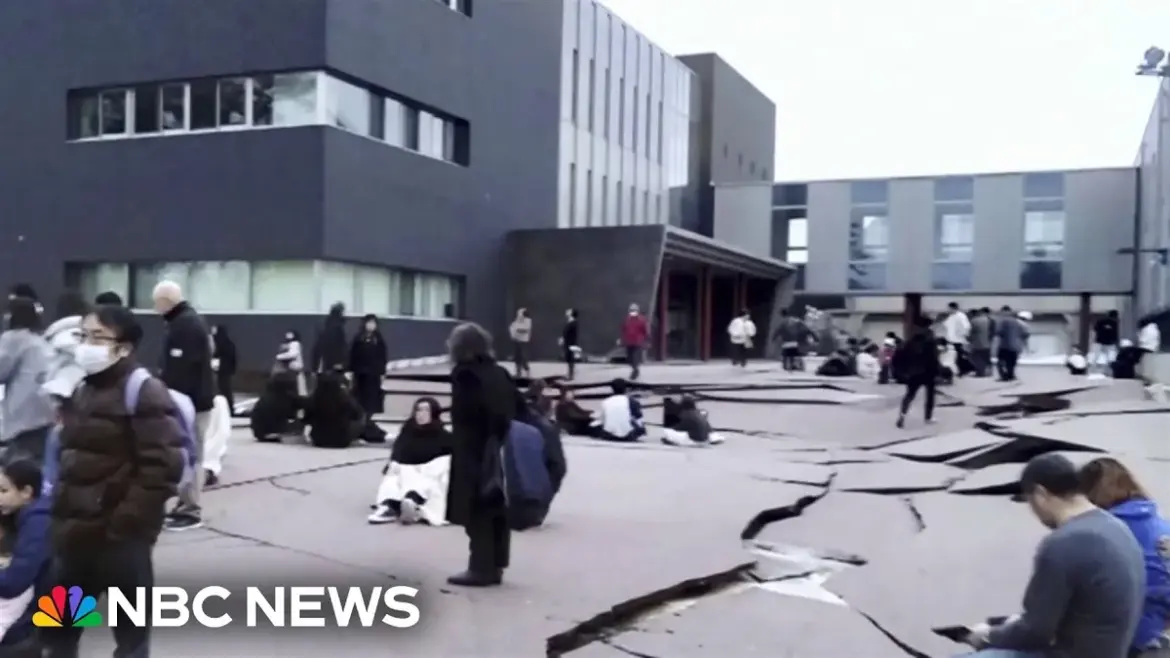
On April 20, 2026, a magnitude 7.7 earthquake struck off Japan’s northern coast at approximately 4:53 PM local time, prompting immediate tsunami warnings from the Japan Meteorological Agency. While the agency initially warned of potential tsunami waves reaching up to three metres high, subsequent observations detected waves measuring around 80 cm.
Japan is no stranger to seismic activity; it experiences about 1,500 earthquakes each year and accounts for nearly 18 percent of the world’s total seismic events. This latest quake serves as a reminder of the country’s vulnerability to such natural disasters.
In light of the earthquake, authorities urged residents in coastal regions to evacuate immediately. The Japan Meteorological Agency advised people to move to higher ground or evacuation buildings—citing the need for caution given the potential for subsequent seismic events.
Prime Minister Sanae Takaichi echoed these sentiments, stating, “For those of you who live in areas for which the warnings have been issued, please evacuate to higher, safer places such as higher ground.” Such directives reflect ongoing concerns about public safety in a region still haunted by memories of past disasters.
The catastrophic magnitude 9 earthquake and tsunami that struck northeastern Japan in 2011 remains fresh in public memory; it resulted in approximately 18,500 fatalities and triggered the Fukushima nuclear disaster. This historical context amplifies the current urgency surrounding tsunami alerts.
Despite the gravity of this recent event, details remain unconfirmed regarding any immediate damage or casualties. Reports indicate that several ports in Iwate have not shown signs of damage so far.
Moreover, a special advisory has been issued warning of an increased risk of future earthquakes with magnitudes reaching 8.0 or stronger. This advisory underscores the precarious nature of seismic activity in Japan.
As authorities continue to monitor the situation closely, further developments are anticipated regarding this incident and its aftereffects on local communities and infrastructure.