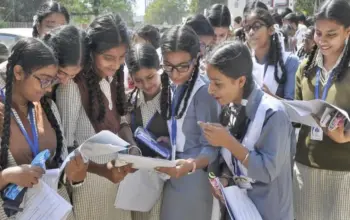
The recently concluded JEE Main 2026 has recorded an unprecedented milestone, with 26 candidates securing a perfect 100 NTA score. This figure represents an increase from the 24 perfect scorers noted in the previous year, underscoring a rising trend in academic excellence among aspirants.
According to the National Testing Agency (NTA), a total of 2,50,182 candidates qualified for JEE (Advanced), which serves as the gateway to premier engineering institutions in India. This substantial number reflects the growing competition and interest in engineering disciplines among students.
Among the standout performers this year, it is noteworthy that one candidate belongs to the general-EWS category and another to OBC-NCL. However, it is also significant that no female candidate achieved a perfect score this year; instead, Mallavarapu Aasna from Telangana led among female participants with an impressive 99.998 percentile.
The overall registration for JEE Main 2026 reached 16,04,854 unique candidates, with 15,38,468 candidates actually appearing for the examination across both sessions. Such participation numbers indicate a sustained interest and commitment towards pursuing higher education in engineering.
Aarush Singhal from Chandigarh emerged as the top scorer in JEE Main 2026 Session 2, securing an All India Rank (AIR) of 1. The expected raw marks for this position are projected to be between 295–300 out of a possible 300, reflecting the exceptional performance required to achieve such a rank.
The data suggests that while competition intensifies annually at JEE Main—a test recognized as one of the toughest entrance examinations globally—there remains room for improvement in gender representation among top scorers. Observers note that trends indicate an increasing number of high achievers; yet, further analysis is needed regarding female participation and performance.
As educational institutions and stakeholders analyze these results, attention will likely turn towards understanding how these trends might influence future cohorts of engineering aspirants and their preparation strategies. Details remain unconfirmed regarding potential changes in examination structure or support mechanisms aimed at enhancing performance across diverse candidate backgrounds.