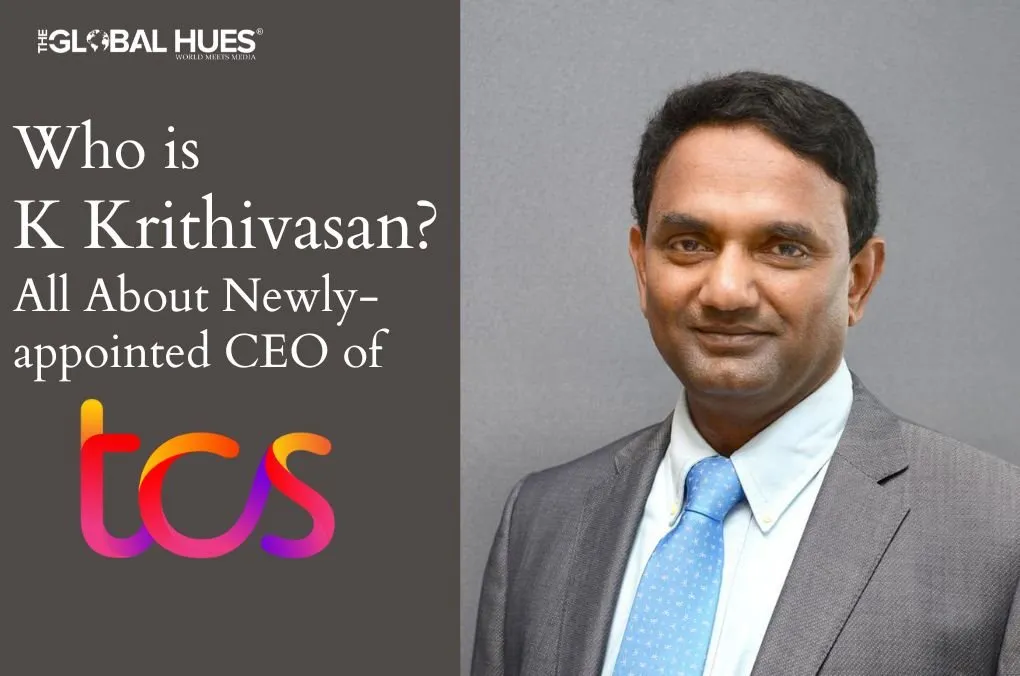
TCS CEO K Krithivasan has expressed confidence that the Indian IT services industry will not become obsolete by 2030, despite facing significant challenges. This assertion comes in light of TCS’s first annual revenue decline since going public in 2004, which saw a decrease of 2.4% in FY26.
In FY26, TCS reported a remarkable total contract value (TCV) of $40.7 billion, showcasing its ability to secure substantial deals even amidst a downturn. Krithivasan stated, “We have been writing its obituary every 10 years but I think Indian IT services have proven to be very resilient.” This resilience is attributed to the deep skill sets within the industry, which continue to adapt to evolving technological demands.
During the same fiscal year, TCS hired 44,000 trainees and made 25,000 offers for the next hiring cycle, indicating a commitment to nurturing new talent. Furthermore, TCS completed its largest acquisition in over a decade by purchasing Coastal Cloud for $700 million, a strategic move aimed at bolstering its service offerings.
As the industry shifts towards AI-led roles and services, Krithivasan noted a changing landscape in workforce requirements. He remarked, “We will need a lesser proportion of programmers. We require model trainers, context/prompt engineers, people who can test models and agent developers.” This shift underscores the growing importance of artificial intelligence in the IT sector.
Additionally, TCS is preparing to launch its HyperVault data center, expected to go live in 2028, with a target capacity of 1 GW. The company has already established two memorandums of understanding (MoUs) for the data center and is in discussions for further collaborations.
Aarthi Subramanian, a key figure at TCS, emphasized the potential of generative AI, stating, “GenAI has unlocked a significant opportunity in legacy modernization, particularly for large, decades-old systems such as mainframes.” This perspective highlights the transformative impact of AI on traditional IT infrastructures.
Despite the recent revenue decline, Krithivasan remains optimistic about the future, asserting, “Definitely, we are more optimistic. I think some of the headwinds are behind us. So, that’s the opportunity.” As TCS navigates these changes, the broader implications for the Indian IT industry remain to be seen.