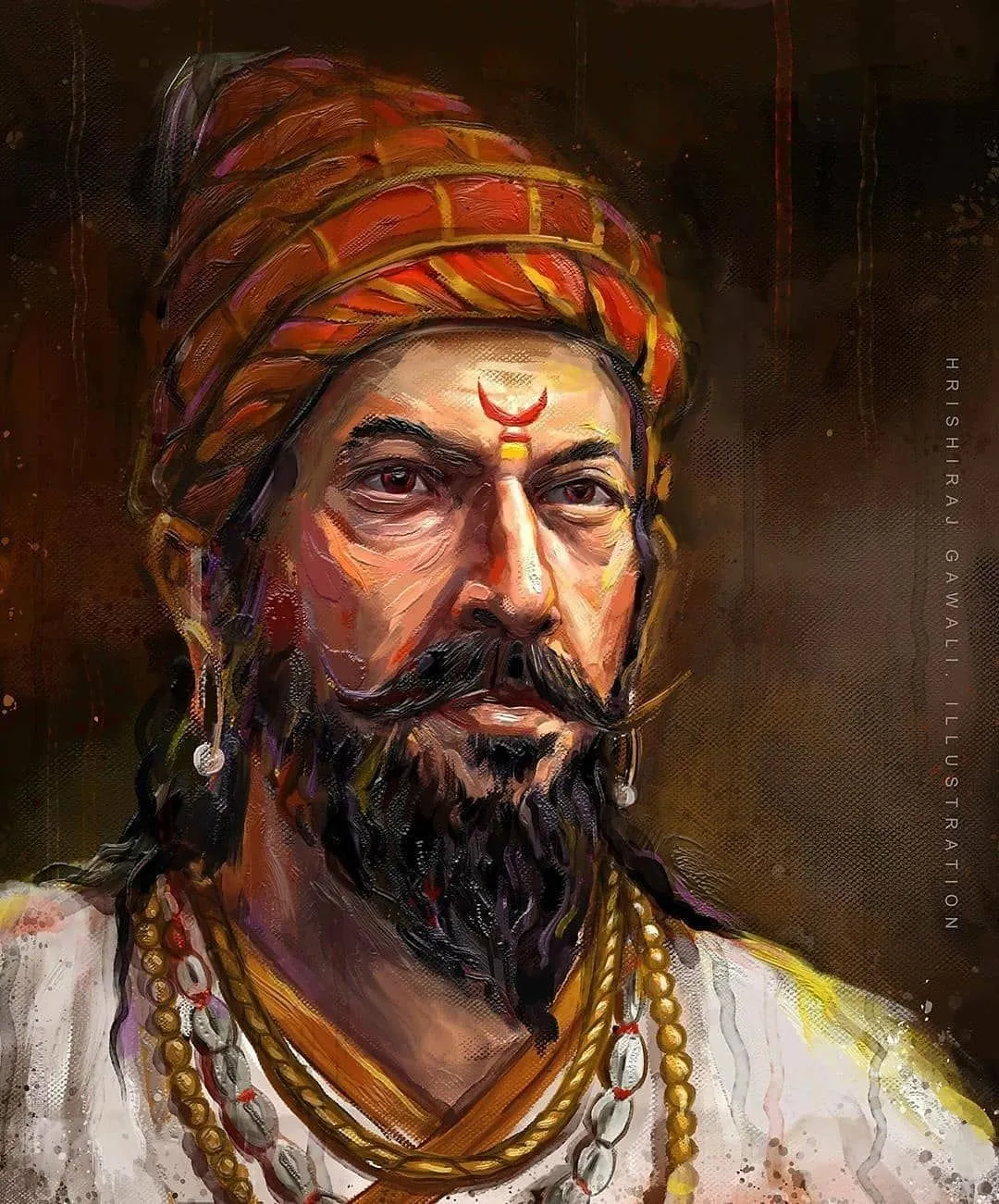
The film Raja Shivaji, directed by Riteish Deshmukh, has ignited legal controversy just prior to its release, raising questions about the sensitivities surrounding historical representation in cinema. This drama chronicles the transformation of Shivaji Shahaji Bhonsle into Chhatrapati Shivaji Maharaj, set against the backdrop of mid-seventeenth century Maharashtra.
The Bombay High Court recently dismissed a petition alleging that the film’s title was derogatory, which suggests a complex relationship between artistic expression and historical interpretation. Sources indicate that the film portrays key figures such as Afzal Khan, who serves as Shivaji’s main adversary, and highlights themes of sovereignty with references to Hindavi Swaraj.
Key details about the film:
- The runtime is approximately 195 minutes.
- The screenplay is co-written by Riteish Deshmukh, Jaideep Yadav, and Prajakt Deshmukh.
- It features a mix of Marathi and Hindi dialogue.
- Vidya Balan plays the role of an Adlishahi queen.
- Salman Khan makes a cameo appearance as Jeeva Mahala.
Critics have described Raja Shivaji as a “studious, plodding affair,” indicating that while it aims for depth, it may struggle with pacing. The film emphasizes Shivaji’s religious inclinations and his use of saffron flags over his capital, which could resonate with contemporary audiences amid ongoing discussions about identity and nationalism.
Furthermore, it does not shy away from depicting the brutal tactics employed by Shivaji’s opponents—an aspect that could provoke varied reactions among viewers. As this historical drama approaches its release date, it remains uncertain how audiences will respond to its portrayal of events during a time characterized by legitimized anarchy in Maharashtra.