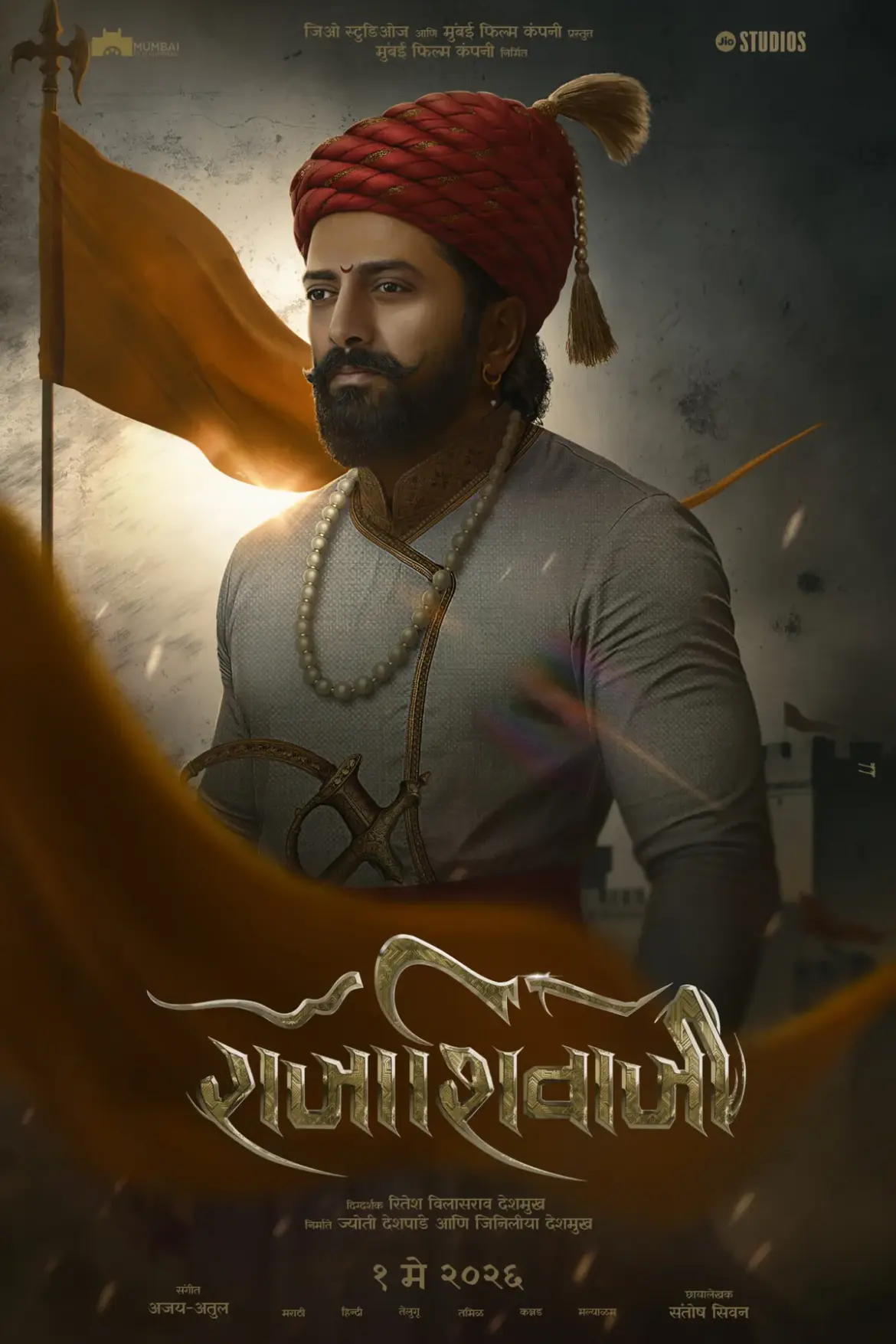
The film Raja Shivaji, directed by Riteish Deshmukh, presents a historical drama that chronicles the life of Chhatrapati Shivaji Maharaj, showcasing his journey from Shivaji Shahaji Bhonsle to a revered king in the mid-seventeenth century Maharashtra. The narrative intricately weaves together themes of nationalism and religious identity, reflecting the socio-political landscape of the Maratha Empire during this period.
Set against the backdrop of a burgeoning Maratha Empire, the film portrays significant events in Shivaji’s life, particularly his confrontations with adversaries like Afzal Khan—played by Sanjay Dutt. The film emphasizes Shivaji’s relentless pursuit of Hindavi Swaraj, a term denoting self-rule for Hindus, which resonates deeply within the context of contemporary Indian nationalism.
The film’s screenplay is co-written by Riteish Deshmukh alongside Jaideep Yadav and Prajakt Deshmukh, ensuring a blend of authenticity and dramatic flair. Cinematography by Santosh Sivan enhances the visual storytelling, while music composed by Ajay-Atul adds an emotional depth to the narrative.
Key elements of Raja Shivaji:
- The film features a runtime of 195 minutes, providing ample time to explore complex characters and historical events.
- Dialogue is delivered in both Marathi and Hindi, reflecting the linguistic diversity of Maharashtra.
- Vidya Balan portrays Khadija, the wife of Adil Shah, enriching the narrative with her compelling performance.
- The film includes a notable cameo by Salman Khan as Jeeva Mahala, adding a layer of Bollywood appeal.
As audiences have begun to engage with Raja Shivaji, reviews have emerged that reflect varied perspectives. Some critics note that while the film captures important aspects of Shivaji’s legacy effectively, it does not escape criticism for pacing issues; one review remarked on its slow first half as being unimpressive. Nevertheless, another source stated that it tells the tale of the Maratha king very nicely.
Interestingly, prior to its release, legal challenges arose regarding its title. However, documents show that the Bombay High Court dismissed a petition claiming that ‘Raja Shivaji’ was derogatory—a ruling that affirms the cultural significance attributed to this historical figure.
As it stands now, Raja Shivaji aims to rekindle interest in Maharashtra’s rich history while simultaneously navigating contemporary narratives around identity and governance. The film’s reception could potentially influence future portrayals of historical figures in Indian cinema.