Before the Declaration of Independence was approved by the Continental Congress on July 4, 1776, the expectation of the American colonies was one of continued loyalty to Great Britain. The colonies had been embroiled in escalating tensions with the British crown, but many still hoped for reconciliation. The vote for independence, which took place on July 2, 1776, was a decisive moment that saw 12 of the 13 colonies approve the break from British rule. This marked a significant shift in the colonies’ aspirations, moving from seeking rights as British subjects to declaring themselves a separate nation.
The immediate aftermath of the vote was electrifying. The final version of the Declaration of Independence was formally approved on July 4, 1776, and the news spread rapidly. Celebrations began almost immediately, with the first organized celebration occurring in 1777, just a year later. Fireworks became a staple of these celebrations, symbolizing the joy and relief of newfound freedom. The significance of this day was further underscored by the fact that both John Adams and Thomas Jefferson, key figures in the drafting of the Declaration, died on July 4, 1826, exactly 50 years after the document was approved.
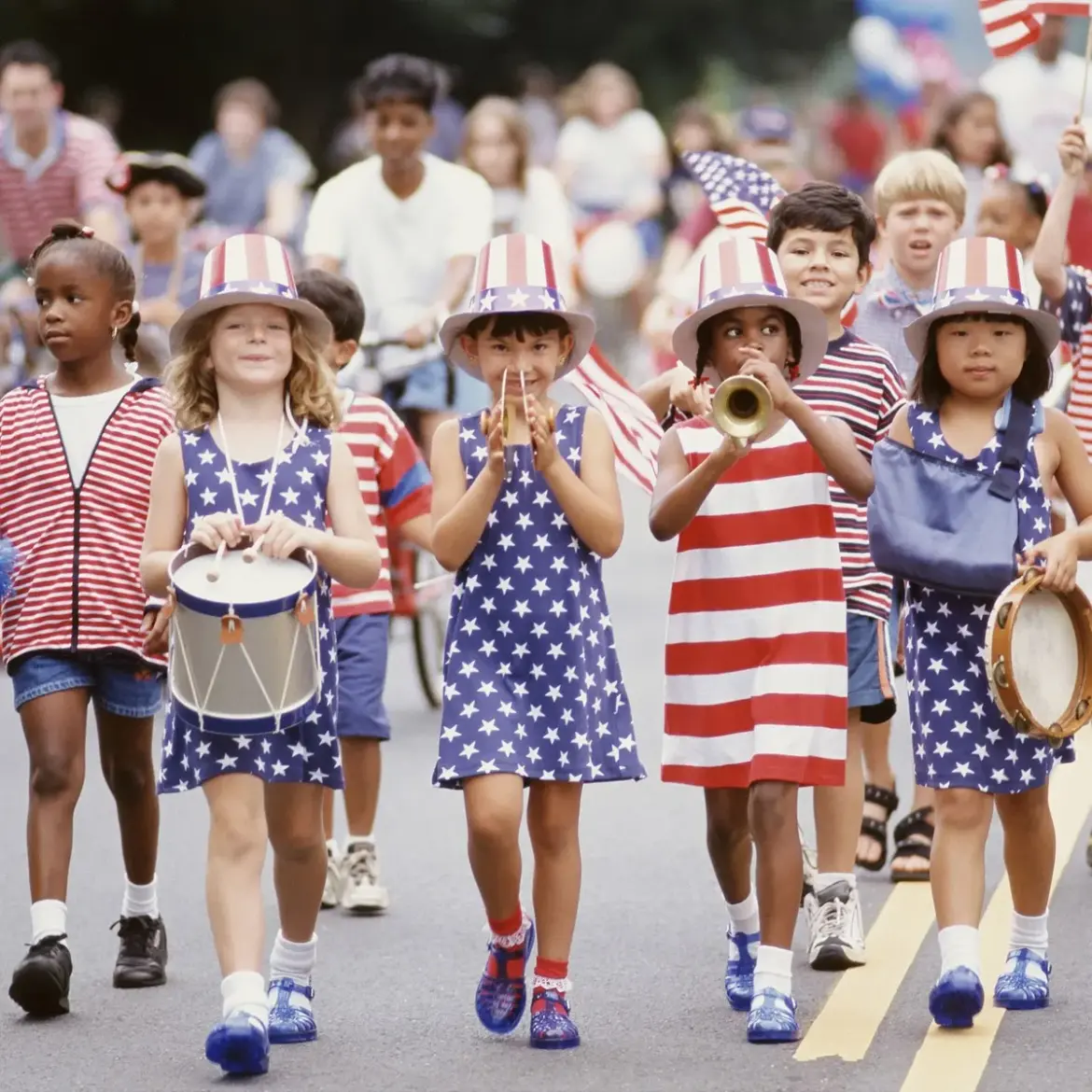
The effects of this shift were profound and far-reaching. Independence Day became a national holiday, known as the Fourth of July, and emerged as a major midsummer celebration in the United States. Early celebrations included parades, oratory, and toasting, which were initially modeled on British king’s birthday celebrations. This transformation from colonial subjects to independent citizens fostered a sense of national identity that continues to resonate today.
Experts note that the Declaration of Independence was not just a document of separation but a bold assertion of universal rights. Thomas Jefferson, who originally drafted the Declaration, articulated the principles of liberty and equality that would inspire future generations. His words, “We hold these truths to be self-evident, that all men are created equal,” have become a cornerstone of American democracy.
As the years passed, the Fourth of July evolved into a day of reflection on the values of freedom and democracy. The celebration of Independence Day has grown to include various traditions, such as barbecues, family gatherings, and public fireworks displays. These customs reflect the diverse fabric of American society, uniting people across different backgrounds in a shared celebration of liberty.
In contemporary times, the Fourth of July serves as a reminder of the ongoing struggle for equality and justice. While the holiday celebrates the birth of the United States, it also prompts discussions about the nation’s history and the challenges that remain. The ideals expressed in the Declaration continue to inspire movements for civil rights and social justice, reminding citizens of the work that still needs to be done to fulfill the promise of equality for all.
As we commemorate Independence Day, it is essential to recognize the historical context and the sacrifices made by those who fought for freedom. The legacy of the Declaration of Independence is not just a historical artifact; it is a living document that continues to shape the values and aspirations of the United States. The celebration of this day is a testament to the enduring spirit of independence and the ongoing journey toward a more perfect union.