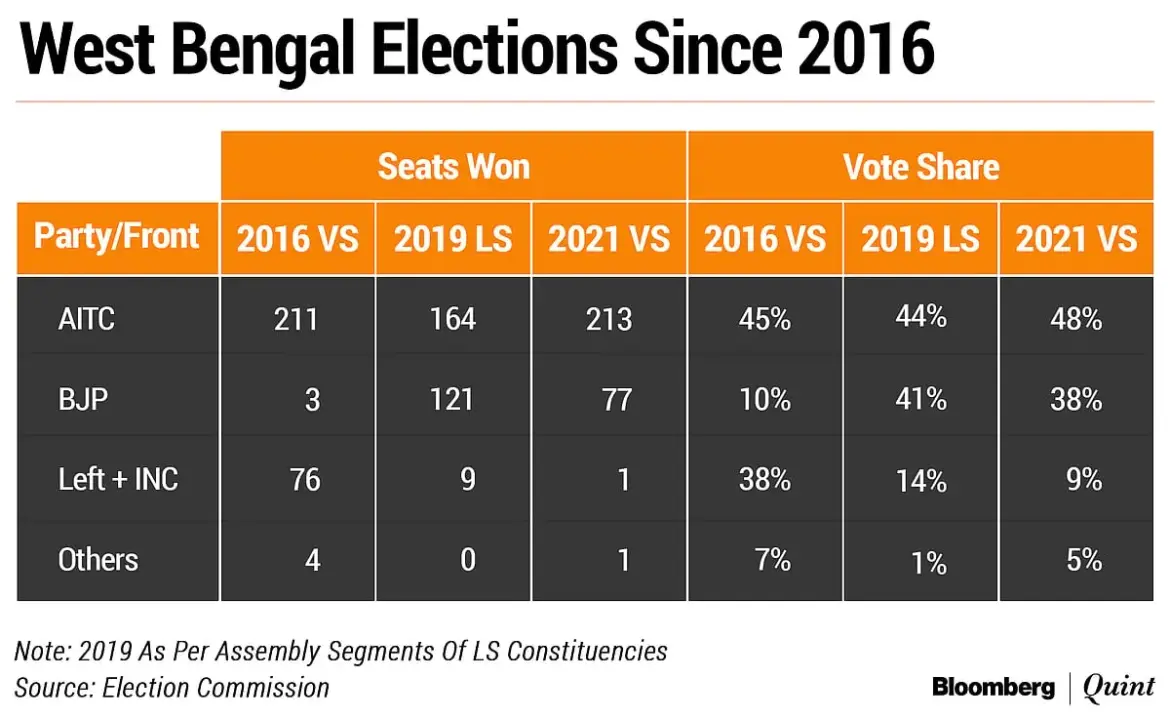
The voter turnout in West Bengal’s 2026 elections reached an impressive 89.99%, surpassing the previous record of 80.4% from the 2021 elections for the same seats. This significant increase reflects a shift in public engagement and interest within the electoral process, particularly in a state that has seen intense political rivalry between the Trinamool Congress (TMC) and the Bharatiya Janata Party (BJP).
Prior to this development, expectations surrounding voter turnout varied, with many analysts predicting a potential decline due to voter fatigue stemming from frequent electoral contests in recent years. However, as reports emerged from various districts, it became evident that voters were mobilizing at unprecedented levels.
Key statistics:
- The voter turnout by 5 PM on April 29, 2026, stood at an impressive 89.99%.
- Phase 1 of the assembly polls concluded with a record turnout of 92.25%.
- Purba Bardhaman recorded the highest turnout at 94.06% during the second phase.
- District-wise, Purba Bardhaman led with a turnout of 92.46%.
- Other notable districts included Hooghly with a turnout of 90.34%, Howrah at 89.44%, and Nadia reaching 90.28%.
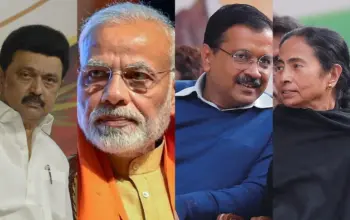
This surge in voter participation may have significant implications for both major parties involved—Mamata Banerjee’s TMC and Narendra Modi’s BJP—as they navigate this evolving political landscape. Banerjee expressed concerns about potential electoral manipulation, stating, “The BJP wants to rig this election,” suggesting heightened tensions surrounding the integrity of the electoral process.
Moreover, Banerjee criticized the deployment of central forces during polling, indicating that their presence was more aligned with supporting one party rather than ensuring fair elections: “Central forces are supposed to guard the country’s borders, but instead they are working for a particular party.” Such statements underscore the contentious atmosphere leading up to and during these elections.
The electoral process itself remained largely peaceful across the second phase of polling, where a total of 1,448 candidates contested for positions in 142 assembly constituencies spanning seven districts. This orderly conduct contrasts sharply with prior elections marred by violence and unrest.