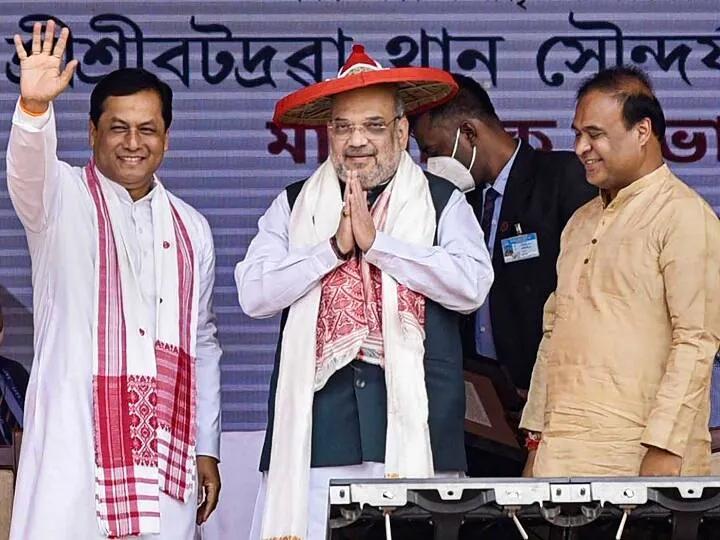
The BJP has secured 73 seats in the recent Assam elections, achieving a historic third consecutive term in the state. This political milestone reflects the party’s sustained dominance and strategic electoral maneuvers.
In addition to the BJP’s success, other parties also made their mark. The Asom Gana Parishad (AGP) won 6 seats, while the Bodoland People’s Front (BPF) secured 8 seats. The Congress party gained 10 seats, indicating a slight increase from previous elections, although it remains significantly behind the BJP.
According to documents from the Election Commission, the All India United Democratic Front (AIUDF) clinched 2 seats, and both Raijor Dal and Trinamool Congress managed to win 1 seat each. Notably, voter turnout exceeded 85%, showcasing robust public engagement in the electoral process.
The counting process commenced on May 4, 2026, with Himanta Biswa Sarma continuing as Chief Minister of Assam. His leadership has been pivotal in solidifying the BJP’s position within the state. Gaurav Gogoi emerged as a key figure for the Congress party during this election cycle, highlighting an ongoing rivalry between these two political entities.
As observers analyze these results, they note that while the BJP leads in 9 out of the remaining 25 seats yet to be declared, Congress is leading in 10. This scenario indicates potential shifts in political alliances and strategies as both parties prepare for future elections.
Looking ahead to the next electoral cycle in 2026, analysts suggest that understanding voter sentiment and adapting strategies will be crucial for all parties involved. The current results may set a precedent for how political campaigns are conducted moving forward.