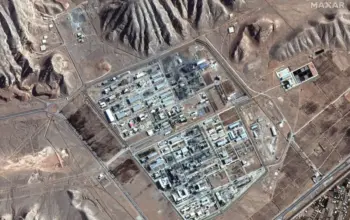
“Bangladesh is set to become the world’s 33rd country to generate electricity using nuclear energy,” said a spokesperson from the Bangladesh Atomic Energy Commission, as the Rooppur Nuclear Power Plant officially began fuel loading. This significant advancement positions Bangladesh at the forefront of energy security, allowing it to diversify its energy sources and reduce reliance on fossil fuels.
The Rooppur project, which is Bangladesh’s largest infrastructure initiative, boasts a total generation capacity of 2,400 megawatts. It comprises two units, each capable of generating 1,200 megawatts. According to documents, around 300 megawatts of electricity is expected to be supplied to the national grid on a trial basis by August, with full-scale commercial generation anticipated within ten months following this initial phase.
This development comes at a time when Bangladesh grapples with its tax policy challenges. The country’s tax-to-GDP ratio has hovered around 7%, one of the lowest in Asia, with total annual tax revenue estimated between $35-40 billion. Sources indicate that implementing a targeted inheritance or net-wealth levy could potentially raise approximately $1.5-1.7 billion annually.
While some experts argue that such fiscal measures could bolster economic growth, they also caution that inheritance taxes are often politically unpopular. As one analyst noted, “The political case however is another matter. Inheritance tax is unpopular almost everywhere it exists.” Nonetheless, Bangladesh now appears to be weighing such an option as it seeks to enhance its fiscal landscape.
In terms of economic projections, the International Monetary Fund estimates that by 2026, Bangladesh’s per capita GDP will surpass that of India—a notable shift given that Bangladesh’s per capita GDP is currently nearly twice that of Assam. This growth trajectory could further strengthen the case for investments in nuclear energy as part of a broader strategy for economic resilience and sustainability.