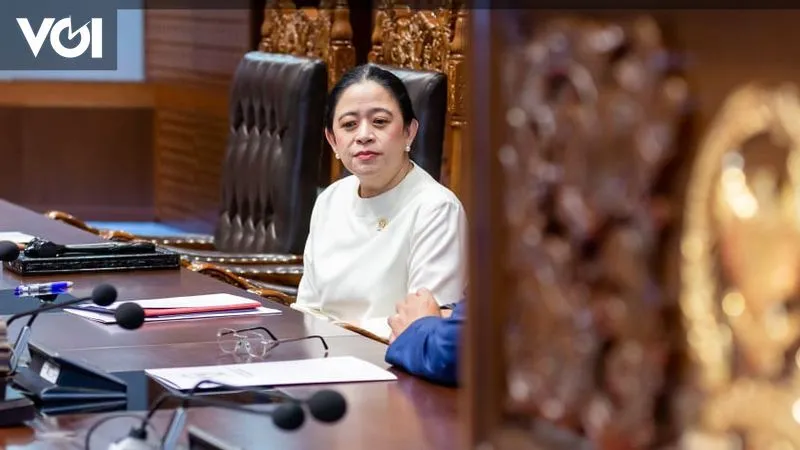
On May Day 2026, Puan Maharani addressed a gathering in Jakarta, Indonesia, emphasizing the urgent need for stronger worker protections in light of potential mass layoffs affecting approximately 9,000 workers. Her remarks came against a backdrop of rising concerns regarding outsourcing regulations and the precarious nature of employment, particularly for digital transport workers.
The event unfolded as workers presented 11 demands, which notably included a call for the elimination of outsourcing practices that have contributed to job insecurity. Puan highlighted that achieving the ambitious target of creating 19 million jobs within five years would be challenging without reinforcing the industrial foundation that supports workers.
Puan’s statements also underscored the social ramifications of increased job uncertainty, stating, “When work uncertainty increases, social pressure will be felt very quickly at the family level.” This assertion reflects a growing concern that economic instability can lead to broader societal issues.
Moreover, she welcomed recent developments in labor regulations, specifically referencing the 7th number of Permenaker regarding outsourcing. However, she insisted on establishing clear limits on the types of outsourcing permitted to safeguard workers’ rights and livelihoods.
Puan further noted a tragic train accident in East Bekasi that resulted in several fatalities among workers returning home, highlighting the need for improved transportation safety and adequate facilities for workers’ families. She stated, “The state must also ensure that transportation is safe and that facilities for workers’ families are truly qualified,” reinforcing her commitment to comprehensive worker welfare.
The call for reform resonates with broader discussions about employment policies in Indonesia, where many feel that current frameworks inadequately protect vulnerable workers. Puan affirmed that all workers—including domestic workers and online drivers—deserve equal protection under labor laws.
This sequence of events not only reflects growing discontent among workers but also signals a potential shift in policy direction as lawmakers respond to these pressing issues. The implications of these discussions extend beyond immediate labor concerns; they may redefine how outsourcing is approached in Indonesia’s evolving economic landscape.